


How Can ys-traffic Support Custom Parking Projects?
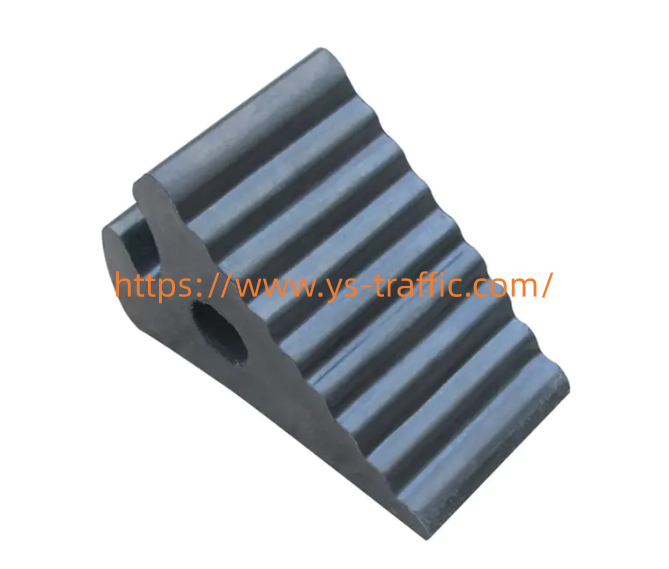
Wheel Stopper purchasing involves several practical decisions for importers, distributors, contractors, and parking facility operators. Beyond the product's appearance, buyers need to consider the parking layout, vehicle types, material construction, dimensions, visibility, and installation conditions. A clear understanding of these factors helps purchasing teams prepare suitable specifications and communicate project requirements with manufacturers before confirming an order.
Start With the Parking Layout
The intended installation area should guide the purchasing process. A residential parking garage, shopping center, office building, warehouse, and outdoor parking facility may have different space arrangements and vehicle movement patterns.
Buyers should provide information about parking bay width, available depth, nearby walls, columns, pedestrian routes, and vehicle access points. These details help determine where the product should be positioned and what dimensions may be appropriate.
It is also useful to consider the direction in which vehicles enter each space. A layout with narrow parking bays may require a different arrangement from a facility with wider spaces. When several parking areas are included in one project, preparing separate measurements for each location can make product planning more accurate.
Compare Material Options for Different Environments
Material construction affects product weight, flexibility, handling, and maintenance requirements. Buyers should ask about the material used in the product and review whether its properties match the intended installation environment.
Rubber is commonly selected for parking applications because it can be manufactured into different shapes and dimensions. Its flexibility and handling characteristics may also be useful during transportation and installation. However, buyers should not make a decision based on material names alone. They should request product specifications and confirm the intended conditions of use.
For outdoor projects, purchasers may also need to consider exposure to sunlight, rain, temperature changes, and regular vehicle contact. Indoor facilities may have different requirements related to floor conditions, cleaning, and available installation space.
Check Dimensions and Structural Details
Dimensions directly affect how a product fits into a parking space. Buyers should confirm its length, width, height, weight, and fixing-hole arrangement before ordering.
The required quantity also deserves attention. Some parking layouts may use one long section across a bay, while other arrangements may require shorter individual units. The decision should be based on the product configuration, vehicle positioning, and available space.
Structural details can influence installation and daily use. Purchasers should review the shape of both ends, the surface profile, mounting-hole positions, and whether the design allows multiple units to be aligned consistently.
For customized projects, it is helpful to provide a drawing or dimension list. This gives the manufacturer a clear reference when reviewing requested specifications and preparing production details.
Consider Visibility and Color Design
Drivers need to recognize the stopping position when entering a parking space. Therefore, buyers should review the product's color arrangement and available reflective features.
Contrasting colors can help distinguish the product from the surrounding ground. Reflective sections may also be considered for parking facilities where vehicles move during evening hours or under limited lighting.
Purchasers should think about the overall environment rather than choosing colors only from a product photograph. Floor colors, lighting conditions, parking markings, and nearby structures can all influence how clearly the product can be seen.
When ordering for a large facility, consistent color arrangements can also help maintain a coordinated appearance across different parking bays.
Confirm Installation Requirements
Installation conditions should be checked before the purchasing team finalizes the product selection. Buyers need to identify the ground material, surface condition, and available fixing options.
Concrete and asphalt surfaces may require different mounting hardware. The number and position of fixing holes should also match the selected product and the installation plan. If the ground is uneven, damaged, or unsuitable for drilling, the site may need preparation before installation begins.
It is advisable to confirm whether mounting accessories are included in the order or need to be purchased separately. Contractors should also review the manufacturer's installation instructions and arrange suitable tools and labor before the products arrive.
Review Customization and Manufacturing Details
For wholesalers and project contractors, customization can be an important part of purchasing. Depending on production arrangements, buyers may request different dimensions, colors, packaging formats, or product configurations.
Before confirming these requirements, both parties should agree on the technical details. A written specification sheet can record the selected material, dimensions, color, quantity, and accessory requirements. This helps reduce misunderstandings during production and order inspection.
Buyers should also ask about manufacturing schedules, sample arrangements, quality inspection, and packaging methods. For international shipments, product labeling and carton information may support warehouse handling and inventory management after delivery.
Prepare a Clear Purchasing Checklist
Before requesting a quotation, purchasing teams can prepare a short project brief covering the installation location, parking bay measurements, vehicle categories, required quantities, material preferences, and customization requests.
It is also useful to provide site photographs or layout drawings when available. These materials give manufacturers additional context and make technical communication more efficient.
A clear inquiry helps both parties review the same requirements. It also gives distributors and importers a practical reference when comparing product specifications, arranging shipment, and preparing repeat orders for future projects.For manufacturers and buyers working on parking facility projects, product details and order communication should be considered together. ys-traffic provides parking safety products and manufacturing support for customers with different project requirements. Buyers can share their preferred dimensions, material options, colors, and order quantities to discuss product configurations and production arrangements. To review the available range and contact the manufacturing team, visit https://www.ys-traffic.com/ and submit your project inquiry.

 English
 Arabic
 French
 Spanish
 Portuguese
 Deutsch
 Turkish
 Dutch
 Russian
 Romaian
 Portuguese (Brazil)
 Greek