

What Makes Someone a Suitable Candidate for Facelift Surgery
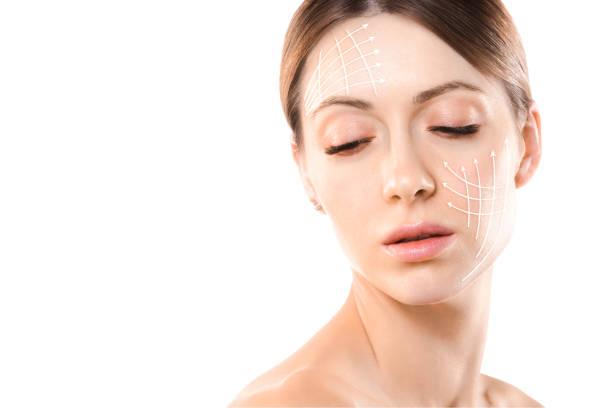
Facial aging can gradually affect skin firmness, cheek position, and jawline definition, leading some individuals to consider surgical rejuvenation. However, deciding whether a facelift is appropriate involves more than noticing wrinkles or loose skin. Overall health, facial anatomy, skin condition, and personal expectations all influence suitability. For people exploring Facelift in Riyadh, understanding the characteristics of a suitable candidate can help them prepare for a professional consultation. A facelift is intended to improve visible signs of facial aging by addressing sagging tissues and excess skin, not to change someone's natural identity or stop the aging process.
People who experience noticeable jowls, loose skin around the lower face, or sagging cheeks may wish to learn whether surgery could address their concerns. However, the best candidates are generally those who are in good overall health and have realistic expectations about what the procedure can achieve. Facelift in Riyadh may be considered by individuals seeking longer-lasting improvement in facial contours when non-surgical options are unlikely to provide the desired degree of correction. A qualified plastic surgeon must assess each person individually before recommending treatment.
Understanding the Main Signs That May Indicate Suitability
A facelift is usually considered when facial aging has become noticeable enough to affect the appearance of the cheeks, jawline, or lower face. Certain concerns may indicate that a surgical consultation could be helpful.
Noticeable Sagging Around the Lower Face
Loose skin around the lower cheeks can create a heavier appearance and contribute to jowls. When these changes become more pronounced, a facelift may help reposition underlying tissues and remove selected excess skin. The aim is to improve facial contours while maintaining natural proportions.
Reduced Jawline Definition
A less defined jawline can develop as facial tissues descend and skin loses elasticity. Some individuals notice that the boundary between the cheeks and jaw becomes less distinct. A facelift may improve this appearance by addressing sagging around the lower face. However, it does not alter the jawbone or correct every cause of facial fullness.
Changes in Cheek Position
The cheeks may gradually lose their youthful position as supporting tissues change with age. This can contribute to deeper folds around the nose and mouth and an overall tired appearance. Depending on the technique, facelift surgery may improve the position of selected facial tissues and create a more refreshed contour.
Health Factors That Influence Facelift Candidacy
Good general health is an important consideration before any elective surgery. A facelift involves incisions, anesthesia, and a recovery period, so a surgeon needs to understand the patient's medical background before determining suitability.
Being in Good Overall Health
Suitable candidates are generally healthy enough to undergo surgery and recover safely. Certain medical conditions may increase the risk of complications or require additional evaluation. Patients should provide accurate information about existing conditions, previous surgeries, allergies, and all medications or supplements they use.
Understanding the Importance of Skin Quality
Skin elasticity can influence the final appearance after a facelift. Although surgery can remove excess skin and reposition deeper tissues, it cannot completely reverse changes in skin texture, pigmentation, or sun damage. A surgeon evaluates skin condition and facial structure to determine what improvements may realistically be achieved.
Maintaining a Stable Weight
Significant weight changes can affect facial volume and skin appearance. Individuals whose weight is relatively stable may have more predictable facial contours than those experiencing major fluctuations. A facelift is not a weight-loss procedure, and it does not replace healthy lifestyle habits.
The Role of Age and Personal Expectations
There is no single age at which someone automatically becomes suitable for facelift surgery. Facial aging varies according to genetics, lifestyle, sun exposure, and individual anatomy. Some people develop noticeable sagging earlier than others, while many do not require surgical treatment until later in life.
Why Age Is Not the Only Consideration
A surgeon focuses on the patient's facial concerns, tissue laxity, health, and ability to undergo surgery rather than relying on age alone. The extent of sagging and the patient's overall condition are more useful factors when selecting an appropriate approach.
Having Realistic Treatment Goals
A suitable candidate understands that a facelift aims to improve selected signs of aging rather than create a completely different face. The procedure may soften jowls, improve lower-face definition, and reduce loose skin. It cannot guarantee perfect symmetry, eliminate every wrinkle, or prevent future aging. Discussing desired outcomes openly helps establish realistic expectations.
Who May Need to Delay or Avoid Facelift Surgery?
Some individuals may need further medical assessment or may not be suitable candidates at a particular time. Uncontrolled health conditions, certain bleeding or healing problems, and medical risks associated with anesthesia can affect surgical safety. Smoking and nicotine use can also interfere with circulation and wound healing, increasing the possibility of complications.
People who expect dramatic changes that surgery cannot reasonably provide may benefit from discussing their expectations before making a decision. In some cases, a non-surgical treatment or no treatment may be more appropriate. The surgeon should explain the available options and the reasons for any recommendation.
What Happens During a Facelift Consultation?
A consultation helps determine whether the procedure matches the individual's needs and health circumstances. The surgeon examines facial proportions, skin elasticity, tissue position, and areas of concern. Medical history and previous cosmetic treatments are also reviewed.
The discussion should cover the recommended surgical technique, incision placement, anesthesia, expected recovery, potential scarring, and possible complications. Risks can include bleeding, infection, asymmetry, changes in sensation, nerve injury, and anesthesia-related problems. Patients should have an opportunity to ask questions and make an informed decision without feeling pressured to proceed.
Book a Facelift Consultation at Royal Clinic Saudi
If you are considering facial rejuvenation, a professional assessment can help clarify whether surgery is suitable for your concerns. Royal Clinic Saudi welcomes individuals interested in learning more about facelift options and arranging an appointment. During your consultation, you can discuss your goals, understand the treatment process, and receive guidance about potential benefits, limitations, and recovery expectations.
Frequently Asked Questions
1. What is the ideal age for facelift surgery?
There is no fixed ideal age. Suitability depends on facial aging, overall health, skin condition, and individual goals.
2. Can someone with mild facial sagging have a facelift?
Possibly, but surgery may not be necessary for mild concerns. A specialist can discuss whether a less invasive approach is more appropriate.
3. Does good health improve facelift surgery suitability?
Good general health can support safer surgery and recovery, although individual medical risks must still be assessed.
4. Can a facelift stop the natural aging process?
No. A facelift can improve existing signs of aging, but facial tissues and skin continue to change over time.

 English
 Arabic
 Spanish
 Portuguese
 Deutsch
 Turkish
 Dutch
 Italiano
 Russian
 Romaian
 Portuguese (Brazil)
 Greek