


How Can a Universal CNC Lathe Fit Varied Part Designs?
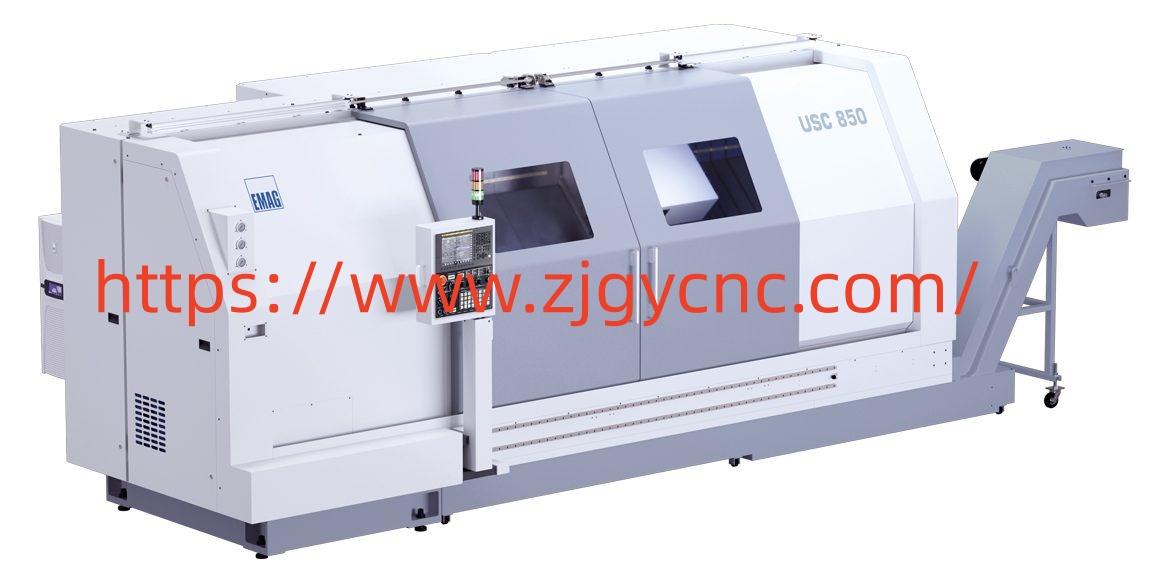
Universal CNC Lathe selection should be based on the actual machining tasks your workshop needs to complete. Buyers may process shafts, bushings, threaded components, sleeves, and other metal parts, each involving different dimensions and cutting requirements. Choosing equipment therefore requires more than checking a machine name or comparing quotations. Manufacturers and purchasing teams should examine the relationship between workpiece geometry, machine construction, tooling arrangements, and production workflow. A structured evaluation helps buyers discuss technical requirements with suppliers and identify a configuration that fits their intended applications.
Identify the Machining Operations You Need
Start by listing the operations involved in your regular production. These may include external turning, facing, threading, grooving, boring, and drilling. Some components require only basic cylindrical processing, while others involve several operations and changes in tool position.
Prepare sample drawings and mark the surfaces that need machining. Include dimensions, material types, tolerance requirements, and any special features. This information allows the manufacturer to understand the work involved instead of relying on a general description such as metal parts or precision components.
It is also useful to separate regular orders from occasional projects. If your workshop frequently changes between different component families, setup flexibility and tooling arrangements may influence the equipment configuration.
Match the Machine Structure to Cutting Conditions
Machine structure affects how equipment responds to different cutting loads and operating conditions. Buyers should compare the frame design, guideway arrangement, spindle structure, and support components according to their intended workload.
The product range presented by zjgycnc includes inclined-bed, linear-guideway, and hard-rail configurations. These structures have different design characteristics and may suit different machining requirements. Buyers can discuss chip removal, cutting load, workpiece dimensions, and expected operating conditions when comparing available options.
Rather than assuming that one structure will suit every application, ask the manufacturer to explain the differences between configurations. Reviewing technical drawings and machine specifications can help your engineering team understand the equipment before making a decision.
Examine Spindle and Workholding Requirements
The spindle and workholding arrangement should correspond with the size, shape, and material of the parts being processed. Buyers should review spindle speed, bore dimensions, chuck compatibility, and the available clamping method.
For bar components, the bar passage dimension may affect material feeding and the range of workpieces that can be processed. For chuck-based operations, the clamping diameter and workpiece stability deserve attention. These details should be checked against representative drawings rather than estimated from general product descriptions.
It is also worth discussing whether the intended setup requires a tailstock, special fixtures, or additional accessories. Confirm which items are included in the quoted configuration and which are optional. This helps purchasing teams understand the complete equipment arrangement and prepare an accurate project budget.
Compare Tooling and Production Changeovers
Tooling compatibility can influence how efficiently a workshop moves between different jobs. Buyers should identify the tool holders, tool positions, cutting inserts, and accessories required for their regular operations.
If the production schedule includes frequent component changes, consider how operators will prepare a new job. Ask about tool adjustment, program editing, workpiece alignment, and the procedures involved in changing fixtures. These practical details can affect daily workflow even when the machine specifications appear suitable.
A sample machining discussion can be useful at this stage. Provide a representative component drawing and ask the manufacturer to review the proposed operation sequence. This gives both parties a clearer basis for discussing tooling and configuration requirements.
Review Control and Operator Requirements
The control system should match the workshop's programming methods and operator experience. Buyers can compare available control options, interface functions, programming support, and documentation before selecting a configuration.
For teams already operating automated machine tools, compatibility with familiar programming practices may help organize the transition. Workshops introducing automated turning processes may need additional instruction for setup, parameter adjustment, and routine operation.
Ask the supplier which control systems are available for the selected model and whether operating manuals or training support can be provided. Confirming these details early gives the production team time to prepare for installation and commissioning.
Arrange Practical Inspection Before Acceptance
Technical specifications provide an important reference, but buyers should also understand how the machine is inspected before delivery. Discuss assembly checks, spindle operation, axis movement, lubrication, electrical functions, and other relevant testing procedures.
Where dimensional performance is important, agree on the inspection method and acceptance criteria before production. Buyers may also provide sample parts or test requirements for discussion with the manufacturer. Any special inspection documents should be identified in advance.
The purchasing team should keep a written record of the approved configuration, included accessories, and agreed inspection conditions. This makes it easier to compare the delivered equipment with the original order.
Prepare for Installation and Long-Term Operation
Before shipment, confirm the machine footprint, workshop access, power supply, foundation conditions, lifting arrangements, and space required for material handling. The installation plan should also allow operators to access maintenance points and perform routine checks.
Discuss lubrication requirements, recommended maintenance intervals, spare parts, and technical support with the supplier. These subjects help your team prepare for regular operation rather than focusing only on the delivery date.For projects involving customized requirements, share drawings and production information with zjgycnc during the quotation stage. Clear communication about machining operations, workpiece dimensions, tooling, and control preferences can help the manufacturer review the proposed configuration. Buyers planning new equipment purchases can visit https://www.zjgycnc.com/ to review the product range and contact the team about their machining applications.

 Arabic
 French
 Spanish
 Portuguese
 Deutsch
 Turkish
 Dutch
 Italiano
 Russian
 Romaian
 Portuguese (Brazil)
 Greek