


Planning Successful Commercial Building Projects From Start to Finish
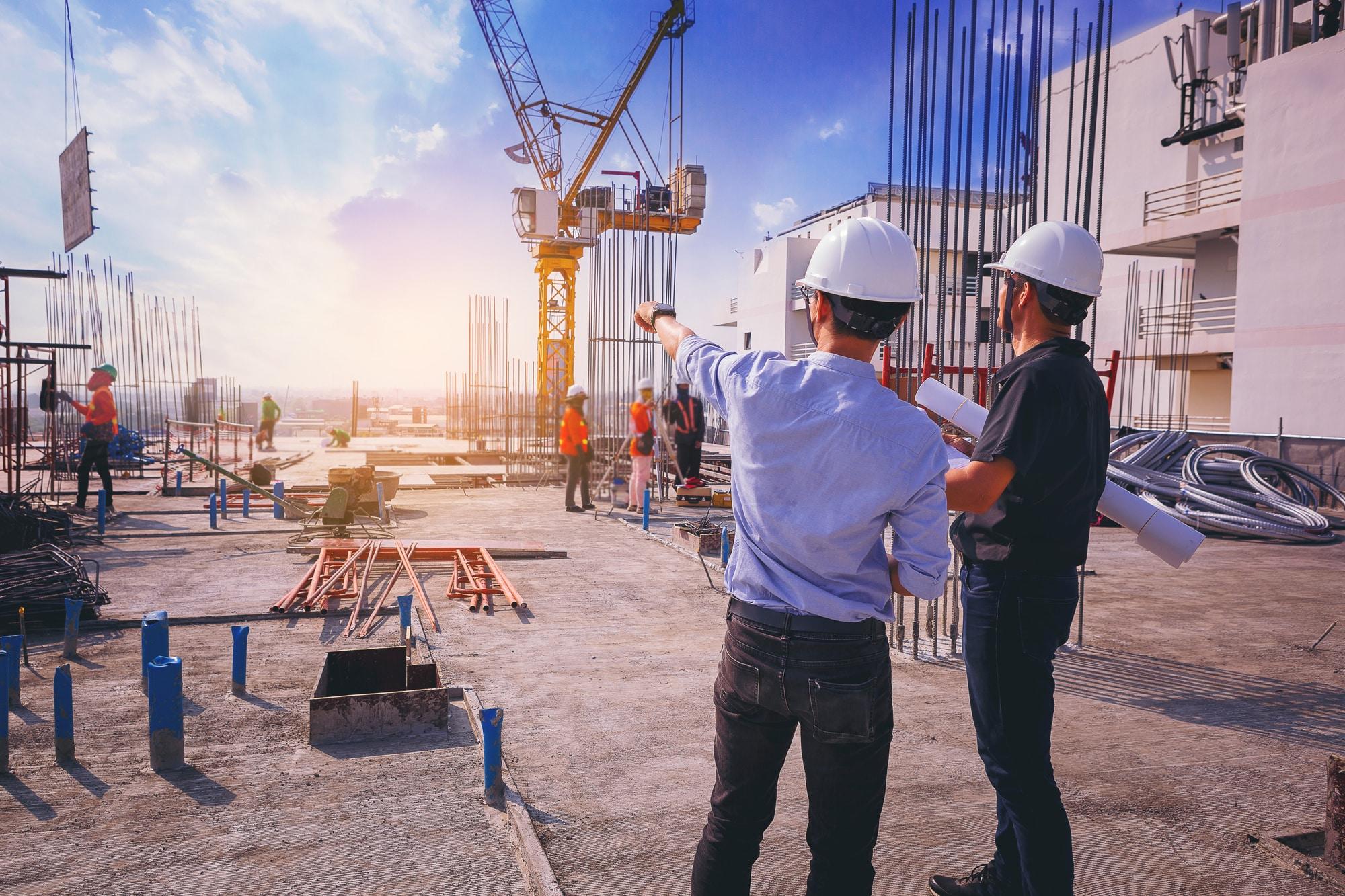
Understanding the Importance of Commercial Building Construction
Commercial buildings play an important role in supporting businesses, organizations, and growing communities. Offices, retail spaces, warehouses, and other commercial properties require thoughtful planning and quality construction to meet their intended purposes. A well-designed building provides functional space, supports daily operations, and creates a professional environment for employees, customers, and visitors. From selecting suitable materials to coordinating different construction stages, every decision can influence the quality and long-term usefulness of a commercial property.
Investing in professional Commercial Building Construction Services Las Vegas NV can help business owners and property developers approach construction projects with a clearer plan. Commercial construction involves several important considerations, including site preparation, structural requirements, building layouts, safety standards, and finishing details. Understanding these elements before construction begins can help reduce complications and support a more organized building process.
Planning a Commercial Construction Project
Every successful construction project begins with careful planning. Property owners should first identify the purpose of the building and determine how the available space will support their business activities. An office building may require meeting rooms, workstations, reception areas, and storage spaces, while a warehouse may prioritize open floor areas, loading access, and efficient movement of goods.
Budget planning is another important consideration. Construction expenses may include materials, labor, permits, site preparation, equipment, and finishing work. Establishing a realistic budget helps decision-makers understand project priorities and prepare for potential changes.
A clear project timeline is equally valuable. Identifying major construction milestones allows different activities to be coordinated more effectively and helps everyone understand the expected progress of the project.
Choosing the Right Building Design
The design of a commercial property should balance functionality, appearance, and long-term usability. A building needs to accommodate its intended operations while providing a comfortable environment for employees and visitors.
Space planning is particularly important. Properly arranged entrances, hallways, work areas, restrooms, and shared spaces can improve accessibility and make everyday activities more convenient. Natural lighting, ventilation, and efficient use of available space should also be considered during the design process.
Property owners should think about future requirements as well. A business may expand, introduce new equipment, or change its operations over time. A flexible building layout can make future modifications easier and help the property remain useful for longer.
The Importance of Quality Construction Materials
Construction materials directly influence a building's strength, appearance, maintenance requirements, and performance. Concrete, steel, masonry, glass, and other materials each serve different purposes within commercial structures.
Selecting appropriate materials requires consideration of the building design, intended usage, environmental conditions, and applicable construction standards. Structural components must meet the project's engineering requirements, while exterior materials should be suitable for local weather conditions.
Interior materials also deserve attention. Flooring, wall finishes, ceilings, doors, and fixtures contribute to the overall appearance and functionality of commercial spaces. Choosing durable options can help reduce maintenance concerns and support long-term performance.
Managing Different Stages of Construction
Commercial construction involves several connected stages that must be completed in an organized manner. The process commonly begins with site evaluation, planning, permitting, and preparation. Once the necessary groundwork is completed, structural construction can move forward.
Subsequent activities may include framing, roofing, exterior installation, electrical work, plumbing, and interior finishing. Each stage depends on proper coordination to avoid unnecessary delays or conflicts between different construction activities.
Regular communication between project stakeholders is essential. Property owners should remain informed about progress, scheduling, and any issues that could affect the original construction plan.
Why Professional Construction Assistance Matters
Commercial building projects involve technical requirements that can be difficult to manage without appropriate experience. Structural planning, material selection, scheduling, safety considerations, and coordination between trades all contribute to the final result.
Working with an experienced Commercial Construction Las Vegas NV provider can help property owners explore construction solutions that align with their project goals. Professional construction assistance can support planning, project coordination, and the various activities required to complete a commercial building.
Before starting work, property owners should discuss project expectations, building requirements, budget considerations, and anticipated timelines. Clear communication helps establish a better understanding of responsibilities and project priorities.
Considering Energy Efficiency and Building Performance
Energy efficiency is an increasingly important consideration in commercial building design. Heating, cooling, lighting, and ventilation systems can influence operating expenses and occupant comfort.
Proper insulation, energy-efficient windows, suitable lighting systems, and well-planned ventilation can contribute to improved building performance. Commercial properties in warmer climates should pay particular attention to cooling requirements and exterior materials that help manage heat.
Water-efficient fixtures and practical waste management systems may also support more responsible building operations. Considering these features during the design stage can be easier than introducing major modifications after construction is complete.
Maintaining a Commercial Building After Construction
Completing construction is only one part of owning a commercial property. Regular maintenance helps preserve the building's condition and supports safe everyday operations.
Property owners should arrange periodic inspections of roofing systems, exterior walls, plumbing, electrical components, and interior finishes. Addressing minor maintenance concerns early may help prevent more extensive repairs.
Cleaning, landscaping, equipment servicing, and drainage maintenance should also be included in a practical property management routine.
Building for Long-Term Business Success
A commercial building is a significant investment that should support both present operations and future business needs. Careful planning, suitable materials, effective project coordination, and quality workmanship all contribute to a successful construction project.
By considering functionality, durability, energy efficiency, and ongoing maintenance, property owners can create spaces that serve their organizations more effectively. A thoughtful approach to commercial construction helps establish a strong foundation for business activities and long-term property value.

 English
 Arabic
 French
 Spanish
 Portuguese
 Turkish
 Dutch
 Italiano
 Russian
 Romaian
 Portuguese (Brazil)
 Greek