


Improving Interior Spaces With Quality Drywall Work
The Importance of Quality Drywall in Your Home
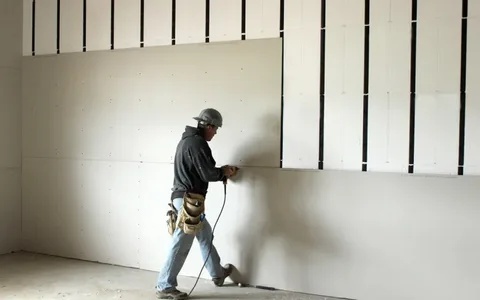
Drywall is an essential part of modern interior construction. It creates smooth walls and ceilings, separates rooms, and provides a clean surface for painting and decorating. Whether building a new home, renovating an existing property, or updating a commercial space, properly installed drywall contributes to the overall appearance and functionality of the interior. However, achieving a professional finish requires careful measurements, appropriate materials, and attention to detail throughout the installation process.
Homeowners considering Drywall Installation Services in Lynchburg VA should understand the importance of proper preparation and workmanship. Uneven surfaces, poorly fitted panels, and visible seams can affect the finished appearance of a room. A well-planned installation helps create consistent surfaces while providing a suitable foundation for paint, wallpaper, and other interior finishes.
Understanding Different Drywall Materials
Drywall is available in several varieties designed for different interior applications. Standard drywall is commonly used in bedrooms, living rooms, hallways, and other general-purpose areas. Moisture-resistant products may be suitable for certain areas where humidity is a concern, while fire-resistant drywall is designed for applications requiring additional fire protection.
Choosing the appropriate material depends on the room's purpose, building requirements, and environmental conditions. For example, areas exposed to frequent moisture may require specially designed products rather than standard panels.
Panel thickness and dimensions should also be considered during planning. Selecting suitable materials helps create a consistent installation and reduces unnecessary adjustments during construction.
Preparing Walls and Ceilings Before Installation
Proper preparation is an important step in achieving a smooth drywall finish. Before panels are installed, the underlying framing should be inspected to ensure that it is stable, properly aligned, and suitable for supporting the material.
Measurements should be taken carefully to determine how panels will fit around corners, windows, doors, and electrical openings. Accurate cutting helps minimize unnecessary gaps and material waste.
The installation area should also be cleared of obstacles and unnecessary debris. Checking the framing and planning panel placement in advance can help prevent problems that might otherwise become visible after the finishing process.
Why Professional Drywall Installation Matters
Installing drywall involves more than attaching panels to wall studs or ceiling framing. Panels must be positioned correctly, secured appropriately, and finished carefully to create a uniform surface.
Poor installation can result in uneven joints, visible fasteners, cracks, and other imperfections. These problems may become particularly noticeable after painting or applying decorative finishes.
Professional workmanship helps address these details throughout the installation process. Proper panel placement, accurate cutting, and consistent finishing techniques contribute to an attractive interior that is ready for its final treatment.
Understanding the Drywall Finishing Process
Once drywall panels are installed, the joints and fastener locations must be finished. Joint compound and drywall tape are commonly used to cover seams and create smooth transitions between panels.
This process generally involves applying compound, embedding tape, and adding additional coats as needed. Each layer should be allowed to dry appropriately before sanding and further finishing.
Sanding helps remove uneven areas and create a consistent surface. Careful preparation is essential because imperfections can become more noticeable when paint or other finishes are applied.
The final surface should be inspected under suitable lighting to identify visible ridges, dents, or remaining imperfections before decorating begins.
The Value of Working With a General Contractor
Drywall installation is often one part of a larger construction or renovation project. Other tasks may include framing, insulation, painting, flooring, electrical work, and interior improvements. Coordinating these activities properly helps keep the project organized and reduces unnecessary delays.
Working with a General Contractor Lynchburg VA can help property owners explore broader construction and improvement requirements. A general contractor may assist with planning different project stages, coordinating suitable work, and keeping the overall renovation process organized.
Before beginning a project, homeowners should discuss their goals, property conditions, expected timeline, and budget. Clear communication helps establish realistic expectations and supports better project coordination.
Common Drywall Problems and Their Solutions
Over time, drywall may develop cracks, holes, dents, and water-related damage. Small imperfections can result from everyday household activity, furniture movement, or minor structural changes. Larger problems may require more extensive evaluation and repair.
Water stains, soft surfaces, peeling finishes, and recurring cracks should not be ignored. Moisture-related damage may indicate an underlying plumbing or drainage issue that needs to be addressed before repairing the drywall.
The appropriate solution depends on the extent of the damage. Some minor imperfections can be patched, while severely damaged sections may require panel replacement. Identifying the underlying cause helps prevent the same problem from returning.
Maintaining Attractive Interior Walls
Regular interior maintenance helps preserve the appearance of drywall surfaces. Homeowners should address minor holes and scratches promptly and avoid exposing wall surfaces to unnecessary moisture.
When cleaning painted drywall, use appropriate methods that will not damage the finish. Furniture and household equipment should also be positioned carefully to reduce accidental dents and scratches.
Periodic inspections can help identify developing cracks, discoloration, and other changes. Addressing these concerns early may reduce the need for more extensive repairs.
Creating Better Living Spaces Through Quality Work
Well-installed drywall contributes to comfortable, attractive, and functional interior spaces. From selecting appropriate materials to preparing surfaces and completing detailed finishing work, every stage plays an important role in the final result.
Whether planning a new installation or improving existing walls, careful preparation and professional assistance can make a noticeable difference. Investing in quality workmanship helps create smooth surfaces, supports long-term durability, and provides a better foundation for interior design.
 Spanish
 English
 Arabic
 French
 Portuguese
 Deutsch
 Turkish
 Dutch
 Italiano
 Russian
 Romaian
 Portuguese (Brazil)
 Greek