


Understanding the Importance of Quality Steel Welding
The Role of Welding in Modern Metalwork
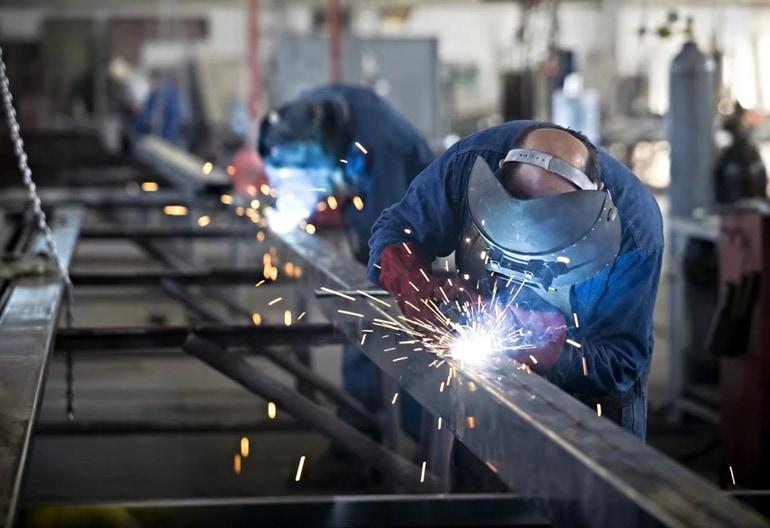
Welding plays an important role in construction, manufacturing, fabrication, and many other industries. It creates strong connections between metal components, allowing different materials and structural parts to work together as a single assembly. From industrial equipment and structural frameworks to custom metal products, properly completed welds contribute to the strength, stability, and functionality of finished projects. Choosing suitable welding methods and materials is essential for achieving dependable results.
Businesses and property owners seeking Carbon Steel Welding Services Chicago IL should understand the importance of proper preparation and professional workmanship. Carbon steel is widely used in metal fabrication because of its strength, versatility, and availability. However, producing reliable welds requires an understanding of material thickness, joint design, heat control, and the requirements of the intended application.
Understanding Carbon Steel and Its Applications
Carbon steel is a widely used metal material found in numerous industrial and commercial applications. Its properties make it suitable for manufacturing equipment, structural components, machinery parts, brackets, frames, and various fabricated products.
The amount of carbon present in the material influences its strength, hardness, and workability. Different carbon steel grades offer different characteristics, making material selection an important part of any welding project.
Before welding begins, the material should be evaluated to determine its composition, thickness, and intended purpose. Selecting an appropriate welding process helps create connections that meet the project's functional and structural requirements.
Why Proper Welding Preparation Matters
Successful welding begins long before the welding equipment is switched on. Preparing the metal surfaces helps reduce contamination and supports consistent weld quality. Dirt, rust, oil, paint, and other unwanted materials can interfere with the welding process and contribute to defects.
Joint preparation is equally important. The edges of metal components may need to be cleaned, shaped, or positioned according to the design requirements. Proper alignment helps maintain dimensional accuracy and reduces unnecessary stress during assembly.
Welders should also consider the thickness of the material and the type of connection required. Careful preparation creates a better foundation for producing strong and consistent welds.
Exploring Common Welding Techniques
Different welding methods are suitable for different materials, applications, and working conditions. The selection depends on factors such as metal thickness, project specifications, production requirements, and the desired finish.
Shielded Metal Arc Welding, commonly known as stick welding, is frequently used for various fabrication and repair applications. Metal Inert Gas welding, or MIG welding, is another widely used process that offers efficiency and versatility for suitable materials.
Tungsten Inert Gas welding, commonly called TIG welding, provides greater control and is often selected when precision and appearance are important. Each process has its own advantages, so the appropriate technique should be determined according to the specific project.
The Importance of Skilled Welding Workmanship
Welding quality can directly influence the performance and reliability of a finished metal assembly. Inconsistent welds, poor joint preparation, and incorrect heat application may create weaknesses that affect the completed structure.
Experienced welders understand how to maintain suitable working conditions and follow appropriate procedures. They also recognize the importance of selecting the right filler material, controlling heat input, and maintaining proper equipment settings.
Inspection is another essential part of quality work. Depending on the project's requirements, welds may need visual examination or additional testing to identify potential imperfections. Following appropriate quality standards helps ensure that completed work meets the intended specifications.
Why Professional Welding Services Matter
Metal welding projects often involve technical requirements that go beyond joining two pieces of material. Accurate measurements, material compatibility, joint preparation, and fabrication planning all contribute to the final result.
Working with an experienced Welding Services Chicago IL provider can help businesses and property owners explore suitable welding solutions for their requirements. Professional assistance may be useful for fabrication projects, metal repairs, equipment components, and custom assemblies.
Before starting a project, it is helpful to discuss the material type, dimensions, intended application, and any specific performance requirements. Clear communication makes it easier to establish expectations and determine an appropriate welding approach.
Maintaining Welded Metal Structures
Even properly fabricated metal components require regular inspection and maintenance. Environmental exposure, repeated use, vibration, and heavy loads can gradually affect metal structures and their connections.
Property owners and businesses should periodically inspect accessible welded areas for visible cracks, corrosion, deformation, or unusual movement. Any concerning changes should be evaluated by a qualified professional rather than ignored.
Protective coatings and suitable surface treatments can also help reduce corrosion, particularly when metal components are exposed to moisture or demanding environmental conditions. Appropriate maintenance supports the continued performance of fabricated products.
Choosing the Right Approach for Your Project
Every welding project has its own requirements. Some applications prioritize structural strength, while others require precise dimensions, attractive finishes, or specialized fabrication techniques. Understanding these priorities helps determine the most appropriate materials and welding methods.
Factors such as project size, metal thickness, working environment, and applicable safety requirements should all be considered before work begins. Proper planning can reduce unnecessary complications and support more consistent results.
Building Reliable Results Through Quality Welding
Carbon steel remains an important material across many industries because of its versatility and practical performance. When combined with suitable preparation, appropriate welding techniques, and careful workmanship, it can be used to create dependable metal components and structures.
Professional welding assistance and regular maintenance can help businesses maintain the quality of their fabricated products. By prioritizing material selection, precision, and proper inspection, property owners and industrial operators can support durable results for a wide range of metalworking applications.
 Dutch
 English
 Arabic
 French
 Spanish
 Portuguese
 Deutsch
 Turkish
 Italiano
 Russian
 Romaian
 Portuguese (Brazil)
 Greek