


Restoring Commercial Floors With Quality Craftsmanship
The Importance of Well-Maintained Commercial Floors
Hardwood flooring can add warmth, character, and professionalism to commercial interiors. Offices, retail stores, restaurants, and other business spaces often use hardwood because of its attractive appearance and long-lasting qualities. However, regular foot traffic, furniture movement, spills, and daily operations can gradually wear down the surface. Proper maintenance and timely repairs help preserve the flooring while keeping the surrounding environment clean and presentable.
Recognizing Common Hardwood Floor Problems
Commercial floors experience different types of damage depending on how frequently an area is used. Scratches, dents, worn finishes, loose boards, gaps, and discoloration are common concerns. Moisture exposure may also cause boards to swell, buckle, or separate. Businesses should pay attention to these warning signs because small defects can become more noticeable or difficult to manage when left untreated. Identifying the source of damage is an important first step toward choosing an appropriate repair method.
Why Professional Assessment Matters
Before starting repairs, it is important to understand the condition of the flooring and the materials involved. Commercial Hardwood Floor Repair Atlanta GA requires attention to the type of wood, the existing finish, the extent of damage, and the amount of traffic the space receives. A careful assessment helps determine whether individual boards can be repaired, damaged sections need replacement, or the entire surface would benefit from refinishing. This planning supports consistent results and helps avoid unnecessary work.
Repairing Scratches, Dents, and Surface Wear
Surface damage is especially common in busy commercial environments. Office chairs, moving equipment, shoes, and furniture can leave scratches or dents that affect the appearance of hardwood. Minor imperfections may be addressed through suitable repair techniques, while deeper damage can require more involved treatment. The correct approach depends on the depth of the mark and the condition of the surrounding finish. Addressing these imperfections helps restore a more uniform appearance without automatically replacing the entire floor.
Replacing Damaged Hardwood Boards
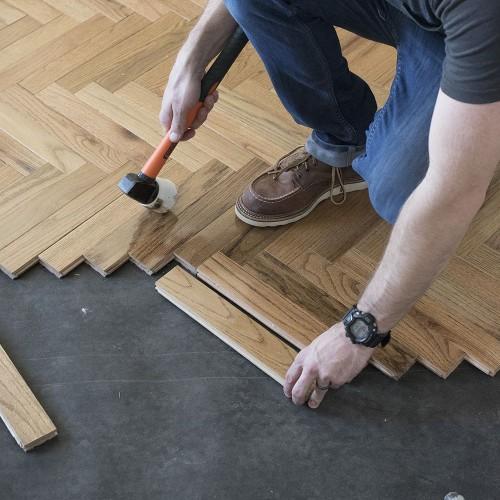
Some flooring problems extend beyond the surface finish. Boards affected by severe moisture damage, cracking, splitting, or structural deterioration may need replacement. This work requires careful removal of the damaged sections while protecting nearby boards. Replacement materials should match the existing wood as closely as possible in species, dimensions, color, and grain pattern. Proper fitting and finishing help the repaired section blend with the surrounding floor and maintain a consistent appearance throughout the commercial space.
Restoring the Appearance of Worn Finishes
Hardwood finishes provide an important protective layer against everyday wear. Over time, this layer can become dull, scratched, or uneven, particularly in entrances, hallways, and other high-traffic areas. Refinishing may help restore the surface by removing worn finish layers and applying suitable protective coatings. Depending on the flooring condition, preparation may include sanding, cleaning, and careful application of new finish. A properly completed process can improve appearance while providing additional protection against routine use.
Working With Experienced Flooring Professionals
Choosing knowledgeable Hardwood Flooring contractors can make a meaningful difference in the quality and consistency of commercial flooring work. Experienced professionals understand how different wood materials respond to sanding, repairs, adhesives, and finishing products. They can also identify problems that may not be immediately visible, such as loose boards or moisture-related deterioration. Clear communication about the repair process, expected results, scheduling, and maintenance requirements helps businesses make informed decisions before work begins.
Minimizing Disruption to Business Operations
Floor repairs in commercial properties require practical scheduling because businesses often need to remain accessible to employees, customers, and visitors. Depending on the size of the affected area, work may be arranged in sections or during less active business hours. Property managers should discuss access restrictions, equipment placement, drying periods, and any temporary closures before the project begins. Proper coordination helps reduce interruptions while allowing enough time for each stage of the repair process.
Protecting Hardwood Floors From Future Damage
Preventive maintenance helps reduce recurring flooring problems and protects the investment made in commercial interiors. Entry mats can limit the amount of dirt and moisture brought inside, while furniture pads help prevent scratches during movement. Regular sweeping and cleaning with wood-safe products can also reduce abrasive buildup. Businesses should address spills promptly and avoid excessive water during routine cleaning because moisture can gradually damage wood and weaken its finish.
Creating a Consistent Maintenance Schedule
A planned maintenance routine makes it easier to identify early signs of wear before extensive repairs become necessary. High-traffic areas may require more frequent cleaning and inspection than conference rooms or lightly used offices. Property managers can keep track of recurring scratches, loose boards, finish deterioration, and moisture concerns. Periodic professional assessments also help determine when localized repairs or refinishing may be appropriate, supporting better long-term flooring care.
Maintaining a Professional Commercial Environment
Well-maintained hardwood floors contribute to the overall impression of a commercial property. Clean, even, and properly finished surfaces can make offices, stores, and customer areas feel more welcoming. Timely repairs also help protect flooring materials from further deterioration and reduce the likelihood of larger restoration projects. By combining appropriate repair methods with consistent maintenance, businesses can preserve the appearance, functionality, and long-term value of their hardwood flooring.
 Portuguese
 English
 Arabic
 French
 Spanish
 Deutsch
 Turkish
 Dutch
 Italiano
 Russian
 Romaian
 Portuguese (Brazil)
 Greek