


Understanding the Value of Quality Metal Fabrication
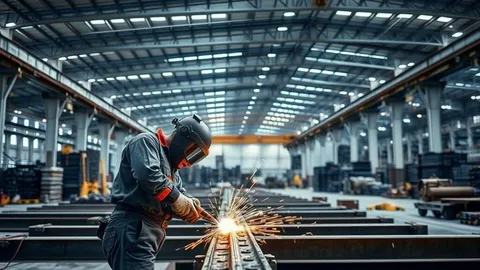
The Importance of Metal Fabrication in Modern Projects
Metal fabrication plays an important role in construction, manufacturing, automotive work, and various industrial applications. From small replacement components to larger structural pieces, fabricated metal products help create practical solutions for different project requirements. The process involves shaping raw metal into useful components through techniques such as cutting, bending, welding, and assembling. Choosing suitable materials and accurate fabrication methods helps ensure that finished products meet functional requirements while maintaining durability and reliability.
Investing in Metal Fabrication Services Houston TX can help businesses and property owners find solutions for projects that require properly designed metal components. Whether a project involves repairing existing equipment, producing specialized parts, or creating a custom structure, professional fabrication can provide greater flexibility than relying entirely on standard products. Careful planning and precise workmanship are essential for achieving results that fit the intended application.
Understanding Different Metal Fabrication Processes
Metal fabrication involves several processes, each serving a specific purpose. Cutting is used to separate metal into required sizes and shapes, while bending helps create angles and curves according to project specifications. Welding joins separate metal components to form stronger assemblies.
Other processes may include drilling, grinding, finishing, and machining. The appropriate techniques depend on the material, dimensions, design, and intended use of the finished product. Combining suitable fabrication methods helps create components that meet practical requirements.
Selecting the Right Materials
Material selection is an important part of any fabrication project. Different metals offer different characteristics, including strength, weight, flexibility, and resistance to corrosion.
Steel is commonly used in applications requiring strength and durability. Stainless steel is valued for its corrosion resistance, while aluminum is often selected when lightweight construction is important. The right material depends on the environment, expected workload, budget, and desired appearance.
Understanding these differences before fabrication begins can help avoid unnecessary expenses and ensure that the finished component is suitable for its intended purpose.
Why Precision Matters in Metalwork
Accurate measurements and careful workmanship are essential for successful fabrication. Even small measurement errors can affect how individual components fit together or perform after installation.
Fabricators must understand project dimensions, material thickness, connection points, and structural requirements before beginning work. Proper preparation helps reduce material waste and minimizes the need for adjustments later.
Quality control is also important. Checking measurements, welds, edges, and finished surfaces helps identify potential issues before a component is delivered or installed.
Exploring Customized Fabrication Solutions
Standard metal products may not always meet the specific requirements of every project. Some applications need unique dimensions, specialized mounting points, or components designed to work with existing equipment.
Custom Metal Fabrication Houston TX services can help customers explore metalwork designed around their individual requirements. Custom fabrication may involve creating specialized brackets, supports, structural components, equipment modifications, or replacement parts. The process generally begins with understanding the intended application and developing a suitable design.
The Shop Fab & Suspension offers custom fabrication services alongside its automotive-related work. Discussing project specifications beforehand helps establish the materials, dimensions, and fabrication approach needed for the desired result.
The Role of Welding in Fabrication
Welding is an important part of many metal fabrication projects because it joins separate metal pieces into a completed assembly. Different welding methods are suitable for different materials, thicknesses, and applications.
Proper preparation, suitable equipment, and skilled workmanship help create reliable joints. The finished welds should be evaluated according to the project's requirements, particularly when components will experience regular movement, vibration, or heavy loads.
Applications Across Different Industries
Fabricated metal components are used in many industries and everyday applications. Construction projects rely on metal supports, frames, brackets, and structural components. Manufacturing facilities use fabricated parts in machinery, equipment, and production systems.
Automotive applications may involve custom brackets, suspension-related components, mounting systems, and specialized modifications. Businesses may also require replacement parts or custom metal pieces to maintain existing equipment.
The flexibility of fabrication makes it possible to develop solutions for projects with different sizes and technical requirements.
Maintaining Fabricated Metal Components
Proper maintenance can help extend the useful life of fabricated metal products. Regular inspections may identify corrosion, loose connections, damaged coatings, or visible signs of wear.
Cleaning surfaces and applying appropriate protective finishes can help reduce deterioration, particularly when components are exposed to moisture or outdoor conditions. Moving assemblies should also be checked periodically to ensure that connections remain secure.
Maintenance requirements depend on the material, application, and surrounding environment.
Choosing the Right Fabrication Partner
Selecting a suitable fabrication provider requires attention to experience, communication, equipment, and project requirements. Customers should explain how the finished component will be used and provide accurate measurements or design information whenever possible.
It is also helpful to discuss material options, expected timelines, finishing requirements, and project costs before work begins. Clear communication helps establish realistic expectations and supports a smoother fabrication process.
Getting Better Results From Metal Fabrication
Quality metal fabrication combines suitable materials, accurate measurements, appropriate techniques, and careful finishing. Whether producing replacement components or developing specialized metal structures, proper planning helps achieve reliable results.
By understanding project requirements and working with an appropriate fabrication provider, customers can find solutions that support durability, functionality, and long-term performance. Professional fabrication makes it possible to turn metal materials into practical components designed for specific applications.

 English
 Arabic
 Spanish
 Portuguese
 Deutsch
 Turkish
 Dutch
 Italiano
 Russian
 Romaian
 Portuguese (Brazil)
 Greek