


Protecting Your Home From Persistent Bed Bug Infestations
Understanding the Impact of Bed Bugs at Home
Bed bugs are small insects that feed on human blood and commonly hide near sleeping areas. They can settle in mattress seams, bed frames, furniture joints, and narrow spaces around baseboards. Although they are not known to spread diseases, their bites can cause itching, irritation, and discomfort. An infestation may also create stress and interfere with sleep. Recognizing the signs early makes it easier to arrange an appropriate treatment plan.
Recognizing the Early Signs of an Infestation
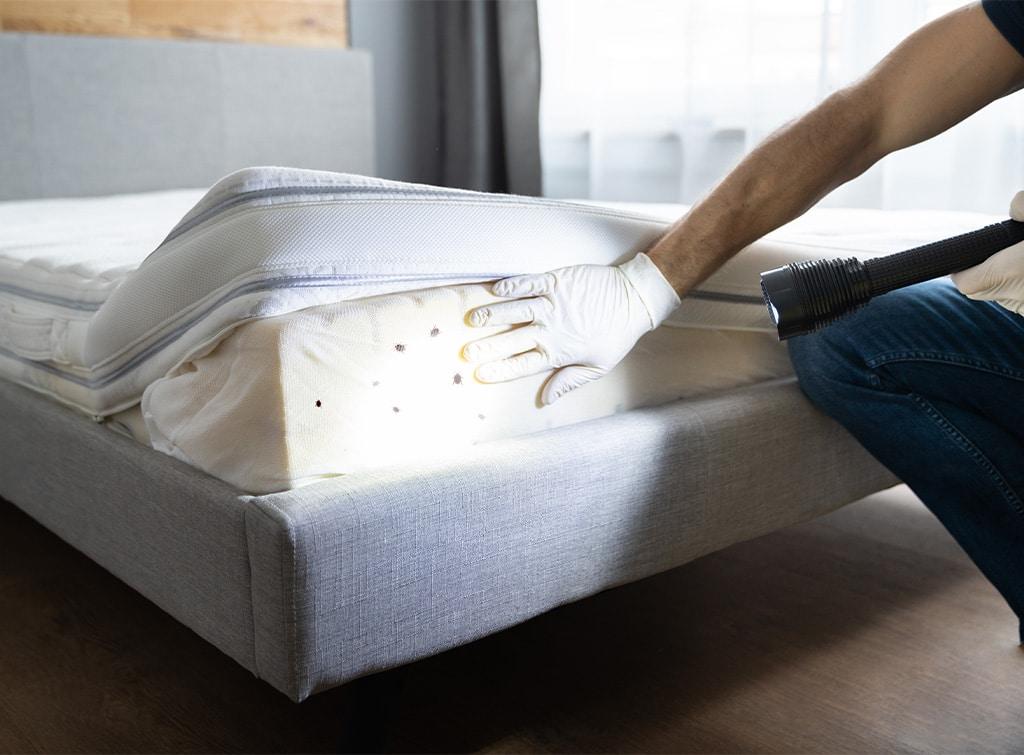
Homeowners considering Residential Bed Bug Removal Services Fort Wayne IN should watch for small reddish-brown insects, shed skins, tiny eggs, and dark spotting around mattress seams or furniture. Some people also notice itchy marks after sleeping, although skin reactions alone cannot confirm bed bugs. A careful inspection is important because these insects are skilled at hiding in small spaces and may remain unnoticed until their numbers increase.
Understanding Where Bed Bugs Commonly Hide
Bed bugs often remain close to places where people rest for extended periods. Mattress stitching, box springs, headboards, bed frames, and upholstered furniture can provide convenient hiding locations. They may also move into nearby cracks, electrical outlet areas, carpeting edges, and other protected spaces. Checking only the visible mattress surface is rarely enough to determine the full extent of an infestation. A thorough inspection should consider the entire sleeping area.
Why Early Treatment Matters
A small bed bug problem can become more difficult to manage when insects spread into additional rooms or furniture. They can move through belongings, shared walls, and everyday household items. Delaying treatment may increase the number of hiding places that require attention. Early identification gives pest control professionals a better opportunity to understand the affected areas and recommend suitable treatment methods before the infestation becomes more widespread.
The Importance of a Detailed Inspection
Effective treatment begins with identifying where bed bugs are active and how extensively they have spread. Professionals may examine mattresses, furniture seams, bed frames, baseboards, and nearby storage areas. They can also look for evidence of insect activity in less obvious locations. Inspection findings help determine which rooms require treatment and whether surrounding spaces should be monitored. A clear assessment supports a more organized approach instead of relying on guesswork.
Choosing Qualified Pest Management Support
Selecting Licensed Pest Control Services can give homeowners greater confidence that treatment is being handled by professionals who understand appropriate pest management practices. Qualified technicians can explain the inspection process, available treatment options, preparation requirements, and safety precautions. They should also provide clear information about what homeowners need to do before and after service. Understanding the process helps residents prepare their homes and follow the recommended instructions correctly.
Understanding Professional Treatment Options
Bed bug management may involve different treatment approaches depending on the infestation, property layout, and affected materials. Some situations may require targeted applications, specialized equipment, heat-based methods, or a combination of techniques. No single approach is suitable for every home. A professional assessment helps determine which options are appropriate and how to address insects hiding in difficult-to-reach areas without overlooking important locations.
Preparing Your Home Before Treatment
Following preparation instructions can improve the effectiveness of a treatment visit. Homeowners may need to organize belongings, remove clutter, launder certain fabrics, or place cleaned items in sealed bags. Bedding and clothing should be handled according to the technician's guidance, since moving untreated belongings can accidentally spread insects. Preparation requirements vary by treatment method, so residents should follow the specific directions provided for their property rather than relying on general assumptions.
Preventing Bed Bugs From Returning
After treatment, careful habits can help reduce the chance of another infestation. Inspect secondhand furniture before bringing it indoors, examine luggage after traveling, and avoid placing suitcases directly on beds. Protective mattress and box spring encasements may also make inspections easier. Regularly checking sleeping areas and reducing unnecessary clutter can help reveal new activity sooner, allowing homeowners to seek assistance before a minor problem becomes more established.
Monitoring Results After Professional Treatment
Bed bug control may require follow-up inspections or additional treatment, depending on the method used and the severity of the infestation. Homeowners should monitor for live insects, fresh spotting, or other signs identified by the technician. It is important not to assume that the problem has ended simply because bites or visible activity decrease. Following the recommended monitoring schedule helps determine whether further attention is necessary.
Restoring Comfort and Confidence at Home
A bed bug infestation can make a bedroom feel uncomfortable, but a careful response can help restore peace of mind. Recognizing warning signs, arranging a detailed inspection, preparing the property properly, and following professional recommendations all contribute to effective pest management. With appropriate treatment and continued monitoring, homeowners can address existing activity and take practical steps to protect their sleeping spaces from future problems.
 Spanish
 English
 Arabic
 French
 Portuguese
 Deutsch
 Turkish
 Dutch
 Italiano
 Russian
 Romaian
 Portuguese (Brazil)
 Greek