


Protecting Commercial Buildings Through Regular Roof Evaluations
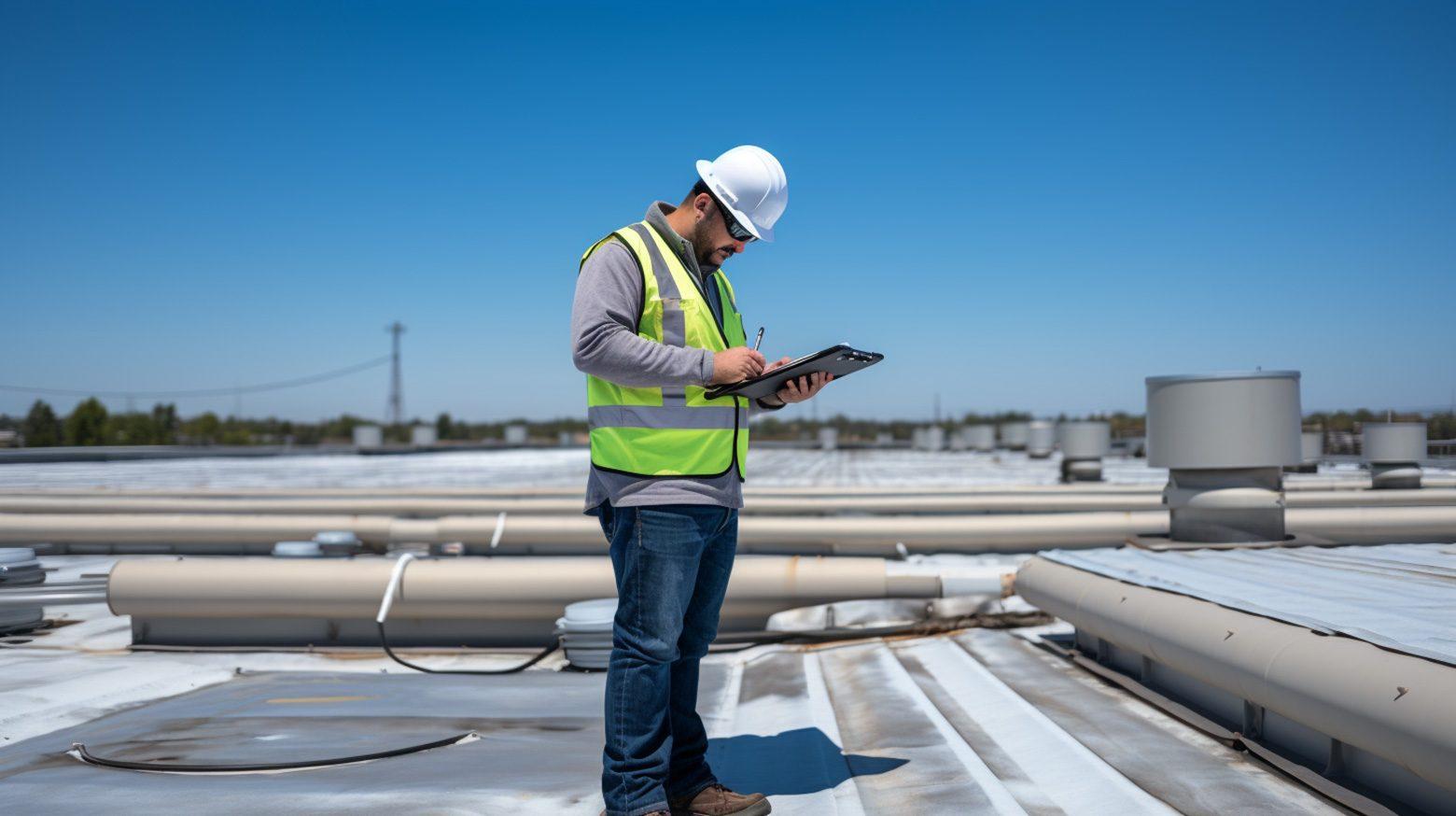
Understanding the Importance of Commercial Roof Maintenance
A commercial roof plays an essential role in protecting a building, its equipment, employees, and daily operations. Unlike residential roofs, commercial roofing systems often cover larger areas and may include specialized materials, drainage systems, and rooftop equipment. Over time, exposure to sunlight, heavy rain, wind, and changing temperatures can affect roofing materials and their performance. Regular evaluations help property owners understand the condition of their roofs, recognize potential concerns, and plan maintenance before minor problems become expensive repairs.
Arranging a Commercial Roof Condition Assessment can provide valuable information about the visible condition of a roofing system and areas that may require additional attention. These evaluations can help identify damaged materials, drainage concerns, deteriorating roof surfaces, and signs of water intrusion. Understanding these conditions allows building owners, investors, and property managers to make informed decisions about maintenance, repairs, and long-term property planning.
Identifying Common Commercial Roofing Problems
Commercial roofs experience different types of wear depending on their materials, age, design, and environmental exposure. Flat and low-slope roofing systems may experience drainage problems when water collects on the surface. Standing water can contribute to material deterioration and increase the likelihood of leaks.
Other common concerns include cracked roofing membranes, damaged flashing, loose seams, deteriorating sealants, and punctures caused by equipment or maintenance activities. Even relatively small defects can allow moisture to enter the building if they remain unaddressed.
Recognizing these warning signs early helps property owners determine whether repairs or further evaluation may be necessary.
Understanding the Effects of Weather Exposure
Weather conditions can gradually affect commercial roofing systems. Strong sunlight may cause certain materials to deteriorate, while heavy rainfall can expose weaknesses in seams, flashing, and drainage components. High winds may loosen roofing materials or damage exposed edges.
Temperature changes can also contribute to expansion and contraction. Over time, repeated movement may affect joints, connections, and protective coatings.
Because commercial properties can experience different weather-related challenges throughout the year, regular roof evaluations are useful for identifying visible changes and planning appropriate maintenance.
Why Drainage Systems Deserve Attention
Proper drainage is essential for maintaining commercial roofing systems, especially on flat and low-slope buildings. Gutters, downspouts, drains, and other water management components help direct rainwater away from the roof and building structure.
Blocked drains, accumulated debris, and damaged drainage components can prevent water from flowing properly. When water remains on the roof, it may contribute to leaks, material deterioration, and additional maintenance concerns.
Property managers should arrange routine checks of accessible drainage areas and address visible blockages promptly. Keeping these systems functional supports better water management and helps protect the building.
Recognizing the Value of Professional Evaluations
A professional roof evaluation provides an organized way to understand the condition of important roofing components. Commercial Inspection Melbourne FL services can help property owners and investors gain useful information about commercial buildings before purchasing, selling, maintaining, or managing them.
Veith Commercial Inspection provides commercial property inspection services, including commercial roof inspections. A professional evaluation can help document visible conditions and identify areas that may require maintenance or additional specialist attention. Having clear inspection findings makes it easier to prioritize concerns and plan the next steps.
Preparing for a Commercial Roof Inspection
Preparation can help make the inspection process more efficient. Property owners should gather available maintenance records, previous inspection reports, and information about known leaks or completed repairs.
It is also useful to identify recurring concerns, such as water stains, interior ceiling damage, or drainage problems. Sharing these details can help direct attention toward relevant areas during the evaluation.
Access arrangements should also be discussed in advance. Commercial roofs may contain restricted areas, rooftop equipment, or safety considerations that need to be addressed before an inspection takes place.
Understanding Inspection Findings
After an evaluation, the findings can help property owners understand the visible condition of the roofing system. Reports may document damaged materials, drainage concerns, deteriorating components, and other observations.
Not every issue requires immediate replacement. Some conditions may be addressed through routine maintenance or targeted repairs, while more significant concerns may require further evaluation by a qualified roofing specialist.
Property owners should review recommendations carefully and ask questions whenever additional clarification is needed. Understanding the difference between minor maintenance needs and more serious concerns helps support better planning.
Planning Long-Term Commercial Roof Maintenance
Maintaining a commercial roof requires consistent attention rather than waiting for visible damage to appear. A practical maintenance plan may include removing debris, checking accessible drainage components, monitoring roof surfaces, and arranging periodic professional evaluations.
Keeping records of inspections, repairs, and maintenance activities can also help property managers track changes over time. This information may be useful when planning budgets, evaluating repair priorities, or preparing for future property transactions.
Protecting Your Commercial Property Investment
A well-maintained roofing system contributes to the overall condition and functionality of a commercial building. Regular evaluations help property owners recognize potential concerns, understand maintenance requirements, and make informed decisions about necessary improvements.
By combining preventive maintenance with professional inspection services, building owners can take a proactive approach to property management. Paying attention to roofing conditions helps protect valuable assets, supports daily operations, and contributes to the long-term performance of commercial properties.

 English
 Arabic
 French
 Spanish
 Portuguese
 Turkish
 Dutch
 Italiano
 Russian
 Romaian
 Portuguese (Brazil)
 Greek