


Creating Attractive Outdoor Spaces With Proper Landscape Care
Maintaining a Healthy and Attractive Landscape
A well-maintained landscape improves the appearance of a property while creating a more welcoming outdoor environment. Hedges, shrubs, trees, and garden beds all contribute to the overall design, but they need regular attention to remain healthy and attractive. Without proper maintenance, plants can become overgrown, lose their shape, or interfere with walkways and outdoor features. Consistent care helps preserve the landscape's appearance and supports healthy plant development throughout the seasons.
Keeping Hedges and Shrubs Properly Shaped
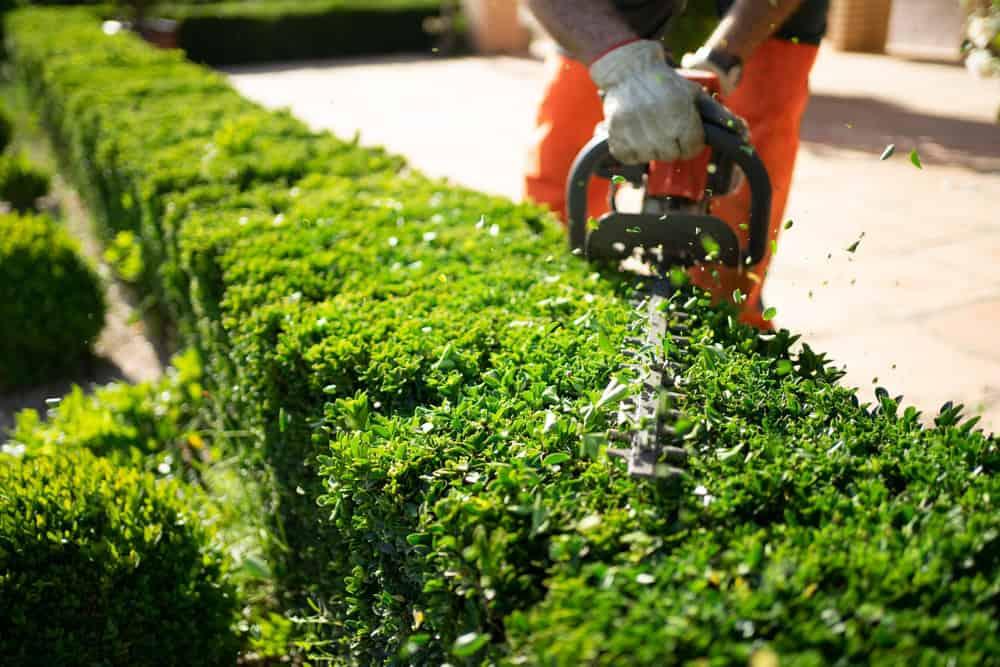
Professional Hedge and Shrub Trimming Dexter MI helps maintain the size, shape, and appearance of plants around residential and commercial properties. Regular trimming removes excessive growth, improves visual balance, and prevents branches from extending into walkways, driveways, and other frequently used areas. The appropriate trimming schedule depends on plant species, growth patterns, and seasonal conditions. Using suitable techniques is important because cutting too aggressively can weaken certain plants or affect their natural growth.
Understanding the Benefits of Regular Trimming
Trimming does more than improve the appearance of hedges and shrubs. Removing dead, damaged, or overcrowded branches can help improve airflow and allow more sunlight to reach healthy growth. It also makes it easier to identify pest activity, disease symptoms, and other plant health concerns. Maintaining appropriate plant dimensions can prevent shrubs from blocking windows, covering exterior features, or interfering with nearby landscaping elements.
Choosing the Right Time for Plant Maintenance
The best time to trim depends on the type of plant and its natural growth cycle. Some shrubs benefit from pruning during dormancy, while others should be trimmed after flowering to avoid removing developing buds. Weather conditions also matter, since extreme temperatures can place additional stress on recently pruned plants. Understanding the needs of individual species helps ensure that maintenance supports healthy growth rather than simply reducing plant size.
Improving the Overall Landscape Design
A property may need more than routine trimming when its outdoor layout becomes outdated or difficult to maintain. Landscape Renovation provides an opportunity to improve planting arrangements, refresh garden beds, adjust outdoor layouts, and create better connections between different areas of the property. Renovation can involve replacing unhealthy plants, adding new greenery, improving borders, or introducing features that complement the building's architecture and outdoor surroundings.
Selecting Plants That Suit the Property
Choosing suitable plants is an important part of creating a landscape that remains attractive over time. Soil conditions, sunlight exposure, drainage, available space, and local weather patterns all influence plant selection. Homeowners should consider the mature size of shrubs and trees before placing them near buildings, fences, or utility areas. Selecting plants that suit the environment can reduce maintenance demands and help prevent overcrowding as the landscape develops.
Refreshing Garden Beds and Outdoor Features
Garden beds can become less attractive when mulch breaks down, weeds spread, or existing plants outgrow their available space. Refreshing these areas may involve removing unwanted growth, improving soil conditions, adding suitable mulch, and arranging plants more effectively. Edging can also create cleaner boundaries between lawns, planting areas, and walkways. Small improvements can make the entire property look more organized without requiring a complete redesign.
Managing Drainage and Landscape Conditions
Proper drainage is essential for maintaining healthy outdoor spaces. Water that collects around shrubs or near building foundations can contribute to root problems, soil erosion, and moisture-related damage. During a landscape improvement project, it is useful to examine grading, drainage paths, and areas where water regularly accumulates. Addressing these concerns can help protect plants and surrounding structures while making outdoor spaces more functional after rainfall.
Creating a Practical Landscape Maintenance Routine
A maintenance schedule helps keep renovated and established landscapes in good condition. Routine tasks may include trimming, pruning, weeding, watering, mulching, and checking plants for signs of disease or pest activity. Seasonal inspections can identify areas that need attention before problems become more extensive. Property owners should also monitor plant growth and adjust maintenance practices as the landscape matures, ensuring that shrubs and other features remain balanced.
Enjoying a Well-Designed Outdoor Environment
An attractive landscape requires a combination of thoughtful design and consistent care. Properly maintained hedges and shrubs provide structure, while updated planting areas can improve the appearance and usability of outdoor spaces. Addressing drainage, selecting appropriate plants, and maintaining a regular care schedule all contribute to lasting results. With careful planning and suitable landscape maintenance, property owners can create an inviting outdoor environment that complements their property throughout the year.

 English
 French
 Spanish
 Portuguese
 Deutsch
 Turkish
 Dutch
 Italiano
 Russian
 Romaian
 Portuguese (Brazil)
 Greek