


Planning a Kitchen Remodel That Fits Your Lifestyle
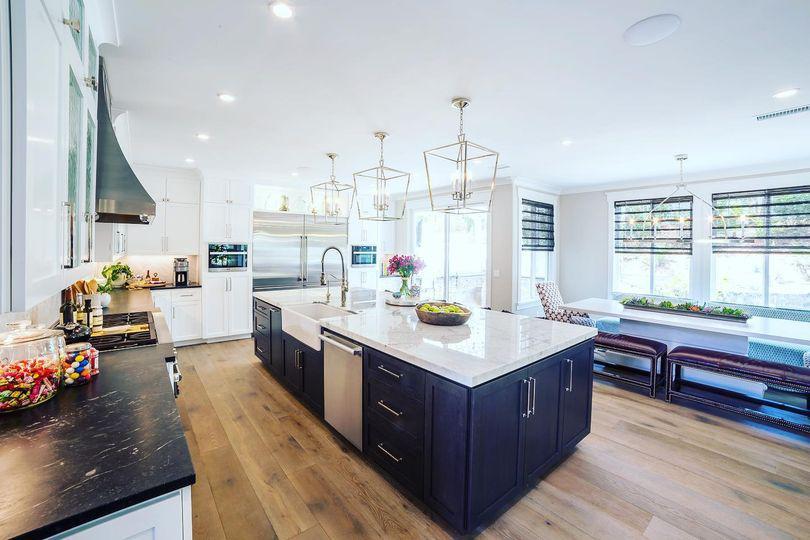
Understanding Your Kitchen's Remodeling Needs
The kitchen is one of the most frequently used areas of a home, serving as a place for cooking, dining, and spending time with family. Over time, outdated cabinets, worn countertops, limited storage, and inefficient layouts can make the space less comfortable. Remodeling provides an opportunity to improve both appearance and functionality. Before beginning, homeowners should consider which features need attention and how the finished kitchen should support their everyday routines.
Planning a Functional and Attractive Upgrade
A successful Kitchen Remodeling Modesto CA project starts with a clear understanding of the homeowner's priorities. Some households may need additional counter space, while others may want better storage, updated appliances, or a more open layout. Establishing these goals early helps guide design decisions and keeps the project focused. It is also important to consider the existing plumbing, electrical connections, ventilation, and structural layout before deciding which changes are practical.
Creating a Layout That Supports Daily Activities
Kitchen layout affects how comfortably people can move between cooking, cleaning, and food preparation areas. The placement of the refrigerator, sink, and stove should allow convenient movement without creating unnecessary obstacles. In smaller kitchens, thoughtful storage and carefully selected fixtures can make the available space feel more open. Larger kitchens may benefit from an island or additional preparation areas. A well-planned layout balances accessibility, convenience, and the needs of everyone using the room.
Selecting Cabinets and Storage Features
Cabinetry has a major influence on the kitchen's appearance and organization. Homeowners can choose from different materials, finishes, door styles, and configurations to complement their preferred design. Soft-close drawers, pull-out shelves, corner storage solutions, and deep cabinets can make everyday items easier to access. The right combination depends on available space and household needs. Durable construction and quality hardware are also important considerations because cabinets experience frequent use throughout their lifespan.
Choosing Countertops, Flooring, and Finishes
Countertops and flooring should provide a balance of appearance, durability, and practical maintenance. Materials such as quartz, granite, laminate, and other surfaces offer different benefits in terms of cost, texture, and care requirements. Flooring options should be suitable for an area exposed to spills, moisture, and regular foot traffic. Coordinating these finishes with cabinet colors, backsplashes, lighting, and wall treatments helps create a consistent design throughout the kitchen.
Coordinating the Work With Experienced Professionals
Working with General Contractors can help homeowners coordinate the different stages of a remodeling project. Kitchen renovations may involve several tasks, including demolition, carpentry, plumbing, electrical work, flooring, cabinetry, and painting. Coordinating these activities in the correct order is essential for avoiding unnecessary delays. An experienced contractor can help organize the work, communicate with relevant tradespeople, and address issues that arise during construction while keeping the overall project aligned with its planned scope.
Improving Lighting and Electrical Convenience
Lighting contributes to both the appearance and usability of a remodeled kitchen. General ceiling lights provide overall illumination, while under-cabinet fixtures can brighten countertops used for food preparation. Pendant lights may add visual interest above an island or dining area. Homeowners should also review outlet placement, appliance connections, and electrical requirements during planning. Addressing these details before installation helps reduce the need for later adjustments and supports a more convenient kitchen environment.
Establishing a Realistic Budget and Schedule
A remodeling budget should account for materials, labor, permits where required, and possible unexpected expenses. It is helpful to prioritize essential improvements before selecting decorative upgrades. Homeowners should also discuss the project timeline, payment arrangements, and responsibilities with their contractor before work begins. Some projects may uncover hidden plumbing, electrical, or structural concerns once existing materials are removed. Setting aside a reasonable contingency can help manage these situations without disrupting the entire renovation plan.
Preparing Your Home for Construction
Kitchen remodeling can temporarily affect normal household activities, so preparation is important. Before construction begins, remove dishes, food, small appliances, and personal belongings from the work area. Establishing a temporary food preparation space elsewhere in the home can make the renovation period easier to manage. Families should also discuss access arrangements, working hours, dust protection, and cleanup expectations with the contractor. Clear communication helps reduce inconvenience and keeps the work area organized.
Enjoying a More Comfortable Kitchen
A thoughtfully remodeled kitchen can improve everyday convenience while giving the home a refreshed appearance. Practical storage, durable materials, suitable lighting, and an efficient layout all contribute to a space that is easier to use and maintain. Careful planning and professional coordination help bring these elements together while reducing avoidable complications. By defining priorities, making informed material choices, and establishing clear expectations, homeowners can create a kitchen that serves their needs for years to come.
 Dutch
 English
 Arabic
 French
 Spanish
 Portuguese
 Deutsch
 Turkish
 Italiano
 Russian
 Romaian
 Portuguese (Brazil)
 Greek