


Planning Reliable HVAC Upgrades for Commercial Buildings
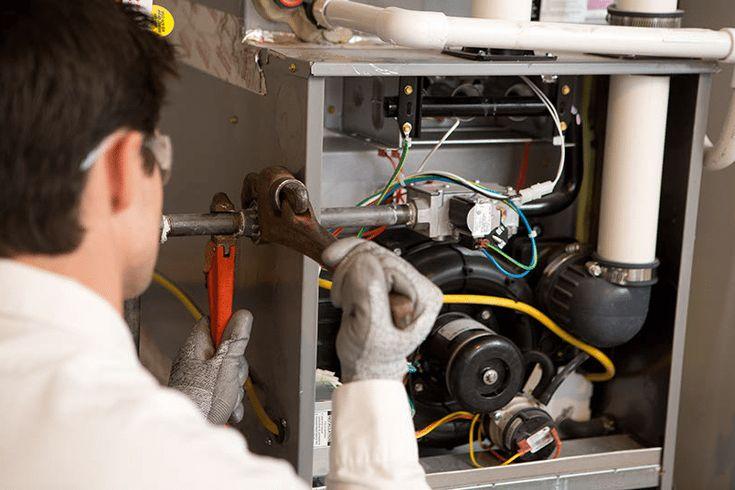
Understanding the Importance of Commercial HVAC Systems
Heating, ventilation, and air conditioning systems play an important role in maintaining comfortable and productive commercial environments. Offices, retail spaces, warehouses, and other facilities depend on consistent indoor temperatures and proper air circulation throughout the year. When an HVAC system becomes outdated or unreliable, it can affect employee comfort, customer experience, and daily operations. Understanding the condition of existing equipment helps property owners determine when repairs or a complete replacement may be necessary.
Recognizing When Replacement Becomes Necessary
Aging equipment may experience frequent breakdowns, inconsistent temperatures, unusual operating noises, or steadily increasing energy consumption. In some cases, replacement parts become difficult to obtain, making repeated repairs less practical. Property owners considering Commercial HVAC System Replacement Vernon NY should evaluate the system's overall condition, operating history, capacity, and efficiency. A professional assessment can help determine whether upgrading the equipment is a more practical long-term solution than continuing to maintain an unreliable unit.
Evaluating the Building's Heating and Cooling Needs
Selecting replacement equipment requires an understanding of the building's layout and everyday usage. Factors such as square footage, ceiling height, insulation, occupancy levels, windows, and equipment heat output can influence heating and cooling requirements. Choosing a system based only on the size of the previous unit may result in poor performance if the building's needs have changed. Proper load calculations help determine suitable equipment capacity and support consistent temperature control.
Exploring Modern HVAC Equipment Options
Commercial properties can use several types of heating and cooling systems depending on their design and operational requirements. Rooftop units, split systems, heat pumps, and other commercial configurations offer different installation and performance characteristics. Some facilities may benefit from equipment with variable-speed operation or advanced control features. Comparing available options allows property managers to consider energy efficiency, maintenance requirements, installation conditions, and long-term operating costs before making a decision.
Planning the Replacement Process Carefully
Replacing commercial HVAC equipment involves more than removing an old unit and installing a new one. The project may require equipment measurements, electrical checks, ductwork evaluation, ventilation review, and coordination with building operations. Installation timing is especially important for businesses that cannot easily interrupt daily activities. A detailed project plan helps establish the work schedule, prepare the installation area, and reduce unnecessary disruption to employees, customers, tenants, and visitors.
Improving Efficiency Through Proper Installation
Even high-quality HVAC equipment may perform poorly if it is incorrectly installed or configured. Proper connections, airflow adjustments, refrigerant handling, drainage arrangements, and control settings all contribute to reliable operation. Heating System Repair Vernon NY may also be relevant when existing heating equipment develops performance problems that do not necessarily require complete replacement. Professional evaluation helps identify the source of an issue and determine the most appropriate corrective approach.
Understanding the Value of Routine Maintenance
Once a new HVAC system is installed, regular maintenance helps protect its performance and service life. Filters should be inspected and replaced according to equipment requirements, while coils, drains, electrical connections, and other components should receive appropriate attention. Maintenance schedules can also help identify developing problems before they lead to major equipment failures. Keeping service records makes it easier to track system performance and plan future maintenance expenses.
Maintaining Consistent Indoor Comfort
Commercial buildings often contain different areas with varying heating and cooling demands. Conference rooms, offices, storage spaces, and customer areas may experience different occupancy patterns and temperature requirements. Proper zoning and control settings can help distribute conditioned air more effectively. Building managers should also pay attention to airflow restrictions, thermostat placement, and ventilation performance. These details contribute to a more comfortable indoor environment and help equipment operate according to actual building needs.
Considering Long-Term Operating Costs
The initial purchase price is only one part of the total cost of a commercial HVAC upgrade. Property owners should also consider installation expenses, energy consumption, routine maintenance, potential repairs, and expected equipment lifespan. A more efficient system may require a higher initial investment but could reduce operating expenses over time. Comparing equipment specifications and reviewing realistic operating requirements can support a better-informed purchasing decision.
Supporting Dependable Commercial Building Operations
A reliable HVAC system contributes to a comfortable environment and helps businesses maintain normal operations throughout changing seasons. Recognizing equipment problems early, selecting appropriately sized replacement units, and arranging professional installation can make a significant difference in long-term performance. Regular inspections and maintenance further support dependable operation. With careful planning and attention to building requirements, commercial property owners can make practical HVAC decisions that support comfort, efficiency, and continued facility use.

 English
 Arabic
 Spanish
 Portuguese
 Deutsch
 Turkish
 Dutch
 Italiano
 Russian
 Romaian
 Portuguese (Brazil)
 Greek