


Protecting Commercial Buildings With Reliable Roof Repairs
The Importance of Maintaining Commercial Roofs
A commercial roof protects the building, its equipment, inventory, and the people who use the property every day. Unlike many residential roofs, commercial roofing systems often cover large areas and may contain multiple drainage points, ventilation units, and specialized materials. Constant exposure to sunlight, rain, wind, and seasonal temperature changes can gradually weaken these components. Regular inspections and timely repairs help maintain roof performance, reduce unexpected maintenance expenses, and protect the building from preventable water damage.
Recognizing When a Commercial Roof Needs Attention
Roof problems often begin with small warning signs that become more serious when left untreated. Water stains on ceilings, dripping around roof penetrations, damaged flashing, loose membrane sections, and standing water may indicate developing issues. Commercial Roof Repair Services Bronx NY can help property owners investigate these conditions and determine the appropriate repair approach. Identifying damage early is important because even a small opening can allow moisture to spread through insulation, ceiling materials, and other parts of the building.
Understanding Common Causes of Roof Damage
Commercial roofing systems experience several types of stress throughout their service life. Strong winds may loosen roofing materials, while heavy rainfall can expose drainage problems or weak seams. Sunlight and temperature changes may cause certain materials to expand, contract, and gradually deteriorate. Foot traffic from maintenance workers can also damage exposed surfaces when proper precautions are not followed. Understanding these causes helps property managers recognize vulnerable areas and arrange suitable repairs before minor defects develop into larger concerns.
Inspecting Roofing Materials and Surface Conditions
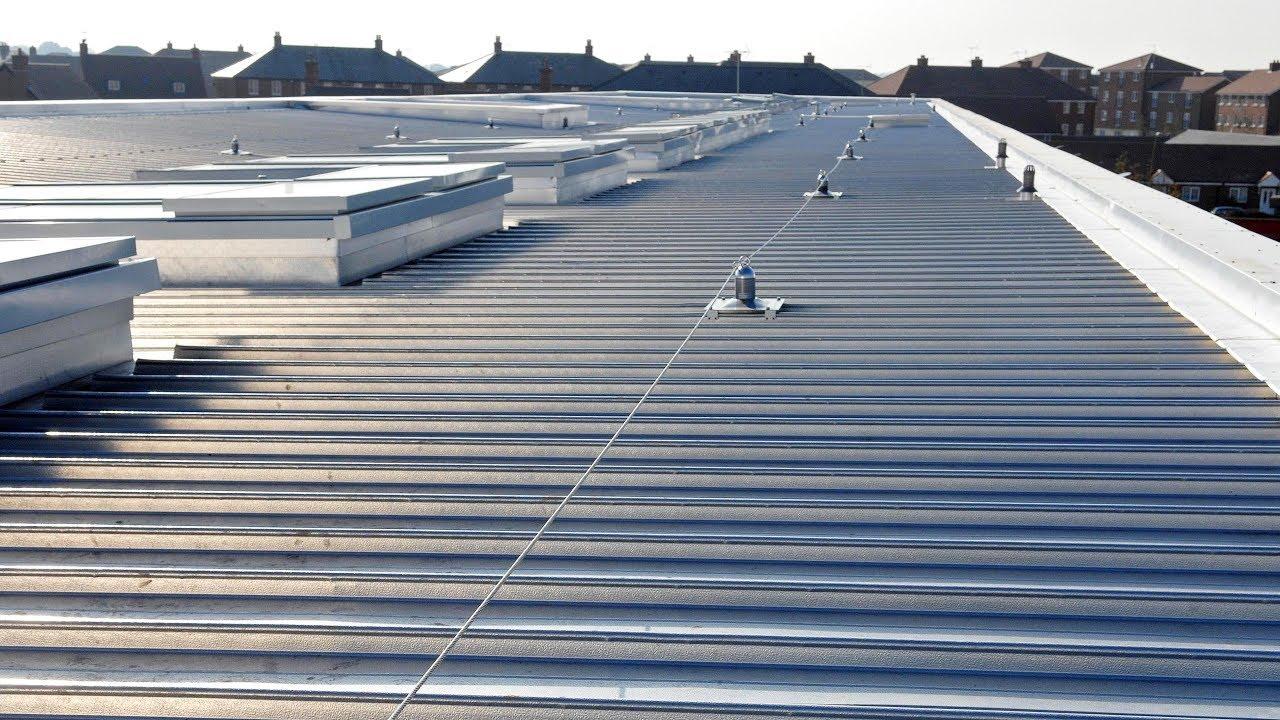
Different commercial buildings use different roofing materials, including modified bitumen, built-up roofing, single-ply membranes, and metal panels. Each system has specific installation and maintenance requirements. An inspection should consider visible cracks, punctures, loose seams, damaged coatings, deteriorated flashing, and other signs of wear. Roof edges and areas surrounding mechanical equipment deserve particular attention because they may experience additional stress. Identifying the roofing system correctly helps determine which repair materials and methods are appropriate.
Addressing Leaks and Water Intrusion
Water intrusion is one of the most common reasons commercial property owners arrange roof repairs. Leaks may develop around seams, vents, skylights, drains, flashing, or damaged sections of the roofing membrane. However, the visible water stain inside a building does not always indicate the exact location of the roof opening. Moisture can travel along structural components before becoming noticeable indoors. A careful evaluation helps trace the source of the leak and determine which areas need repair, replacement, or further investigation.
The Role of Professional Construction Work
Commercial roof repairs may involve more than patching a damaged surface. Some projects require replacing deteriorated materials, repairing roof edges, improving drainage, addressing damaged decking, or coordinating work around existing building systems. Professional Construction Services in Bronx NY can support these broader property improvement needs through organized project planning and appropriate repair work. When several construction tasks are connected, proper coordination helps ensure that underlying problems are addressed before finishing materials are installed.
Improving Roof Drainage and Preventing Standing Water
Effective drainage is essential for protecting flat and low-slope commercial roofs. Water that remains on the surface for extended periods can place additional stress on roofing materials and increase the risk of leaks. Drains, scuppers, gutters, and downspouts should be checked for blockages, damage, and poor water flow. In some situations, correcting drainage may require adjustments to the roof's slope or improvements to existing components. Regular cleaning and maintenance help keep water moving away from vulnerable areas.
Choosing Suitable Repair Materials
The success of a roof repair depends partly on using materials compatible with the existing roofing system. A patch or sealant designed for one membrane may not bond properly with another surface. Factors such as roof age, weather exposure, material condition, and the size of the damaged area should influence the repair decision. Matching compatible products helps maintain system integrity and reduces the possibility of premature failure. Property owners should also consider manufacturer recommendations when selecting materials for specialized roofing applications.
Planning Repairs Around Business Operations
Commercial roofing projects often take place while employees, customers, tenants, or visitors continue using the building. Planning is therefore important for reducing disruption and maintaining safe access. Property managers should discuss work schedules, restricted areas, material storage, and temporary protection measures before repairs begin. Larger projects may need to be completed in stages to accommodate business activities. Clear communication between contractors and building representatives helps coordinate the work while reducing avoidable interruptions.
Protecting Your Commercial Property for the Future
A dependable roofing system is essential for maintaining the condition and usability of a commercial building. Addressing leaks, damaged materials, drainage problems, and deteriorating connections helps protect the structure from avoidable moisture exposure. The right repair approach depends on the roofing material, extent of damage, and overall condition of the system. With careful evaluation, suitable construction methods, and regular maintenance, commercial property owners can preserve roof performance and support the long-term value of their buildings.

 Arabic
 French
 Spanish
 Portuguese
 Deutsch
 Turkish
 Dutch
 Italiano
 Russian
 Romaian
 Portuguese (Brazil)
 Greek