


What Makes a Natural Looking Outcome in Male Chest Reduction
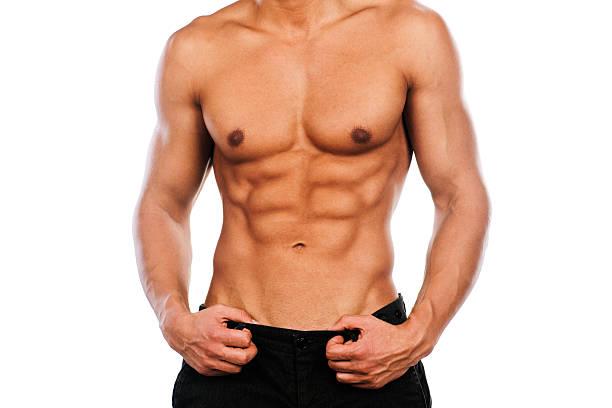
Achieving a balanced and natural-looking chest is an important goal for men considering treatment for enlarged breast tissue. The desired result is not simply removing volume but creating a chest shape that complements the body's natural proportions. Factors such as tissue distribution, skin elasticity, nipple position, and overall chest structure influence the final appearance. Gynecomastia surgery in Riyadh is designed to address excess breast tissue and improve chest contours while maintaining a natural relationship between the treated area and surrounding muscles.
Every man's chest has a different shape, so the same surgical approach may not produce identical results for everyone. Some individuals have excess glandular tissue beneath the nipples, while others experience fatty deposits or loose skin that contributes to a fuller appearance. Gynecomastia surgery in Riyadh can be planned according to these differences, allowing the surgeon to select suitable techniques for the patient's anatomy and aesthetic goals. Understanding what contributes to a natural outcome helps patients develop realistic expectations before treatment.
Understanding Natural Chest Proportions
A natural-looking male chest generally has balanced contours, smooth transitions between the upper chest and surrounding areas, and a proportionate appearance. The aim of male chest reduction is to reduce unwanted fullness without creating an excessively flat or uneven result.
Maintaining Balanced Chest Volume
Removing too much tissue can create an unnatural hollow appearance, while removing too little may leave noticeable fullness. Surgeons assess the amount and location of excess tissue to determine an appropriate level of reduction. Careful planning helps maintain a chest shape that suits the patient's natural body structure.
Considering the Upper Body Structure
Shoulder width, chest muscle development, rib cage shape, and overall body proportions influence how the chest appears. A treatment plan should consider these features rather than focusing only on the enlarged breast area. This helps create a more harmonious appearance across the upper body.
The Importance of Accurate Tissue Assessment
Understanding the composition of enlarged male breast tissue is essential for selecting an appropriate surgical technique. Chest enlargement may involve glandular tissue, fatty deposits, or a combination of both. Each type requires a different approach to achieve a balanced result.
Identifying Glandular Tissue
Glandular tissue often creates firm fullness beneath the nipple area. When this tissue is responsible for enlargement, surgical excision may be required to reduce the prominence. The surgeon considers its size, location, and relationship with the surrounding structures before planning removal.
Evaluating Excess Fat
Fatty deposits can contribute to a rounded or bulky chest appearance. Liposuction may help remove targeted fat and improve the transition between the chest and nearby areas. When glandular tissue is also present, combining liposuction with surgical excision may provide a more suitable contour.
Why Nipple Position and Areola Appearance Matter
The nipple and areola contribute significantly to the overall appearance of the male chest. Their position, size, and relationship with the surrounding skin can influence whether the final result looks balanced. Surgeons evaluate these features during the initial assessment.
Maintaining Natural Nipple Contours
Removing excess tissue around the nipple requires careful attention to the surrounding area. An appropriate surgical plan aims to avoid noticeable depressions, irregular contours, or excessive fullness. The objective is to create a smooth transition while preserving a natural appearance.
Addressing Skin Laxity
Men with significant enlargement may also have loose or stretched skin. Skin elasticity helps determine how well the chest may adapt after tissue removal. In selected cases, additional skin removal may be discussed when excess skin is unlikely to contract sufficiently on its own.
How Surgical Technique Influences the Final Appearance
The surgical method is selected according to the patient's anatomy and the type of tissue involved. Liposuction may be suitable for fatty enlargement, while glandular excision is used when firm breast tissue needs to be removed. Some patients require a combination of techniques to address different concerns.
Gynecomastia surgery in Riyadh involves individualized planning that considers tissue volume, skin quality, incision placement, and chest symmetry. Precise technique can help reduce the likelihood of visible irregularities, although no procedure can guarantee a perfectly symmetrical result. The surgeon also explains potential scarring, changes in sensation, and other risks before treatment.
The Role of Recovery in Natural-Looking Results
The chest may initially appear swollen, bruised, or uneven after surgery. These changes are part of the healing process and do not necessarily represent the final outcome. Swelling generally decreases gradually, allowing the underlying contour to become more visible over time.
Following Post-Operative Instructions
Patients may be advised to wear a compression garment, care for their incisions, and limit strenuous activities during the initial recovery period. Following these instructions supports healing and helps manage swelling. Follow-up appointments allow the surgeon to monitor progress and address any concerns.
Allowing Time for Healing
Final results develop gradually as swelling settles and the tissues recover. Patients should avoid judging the outcome too early and follow their surgeon's guidance regarding activity, wound care, and recovery milestones. Healing timelines vary depending on the surgical technique and individual response.
Choosing the Right Surgeon and Treatment Plan
A natural-looking result depends on careful assessment, appropriate surgical planning, and realistic expectations. Patients should discuss their desired chest shape, medical history, possible causes of enlargement, and concerns about scars or nipple appearance during consultation. Reviewing the surgeon's experience and understanding the proposed technique can also support informed decision-making.
It is important to remember that results vary between individuals. Factors such as skin elasticity, existing asymmetry, tissue characteristics, and changes in body weight can influence the final appearance. A qualified surgeon can explain what may be achievable and whether additional treatment is appropriate.
Book a Consultation at Royal Clinic Saudi
Men interested in improving their chest contours can schedule a consultation at Royal Clinic Saudi. During the appointment, the clinical team can assess tissue distribution, skin quality, and individual aesthetic concerns. This evaluation helps determine suitable treatment options and provides an opportunity to discuss the procedure, recovery process, potential risks, and realistic expectations.
Frequently Asked Questions
What creates a natural-looking result after male chest reduction?
Balanced tissue removal, appropriate nipple positioning, smooth contours, and consideration of natural body proportions all contribute to the appearance.
Can male chest reduction improve chest symmetry?
Surgery can address differences in tissue volume, although perfect symmetry cannot be guaranteed.
Does loose skin affect the final chest appearance?
Yes. Skin elasticity influences how the chest adapts after tissue removal. Some patients may require additional skin removal.
How long does it take to see the final results?
Swelling gradually decreases over several weeks and months. The final contour becomes clearer as healing progresses.

 English
 Arabic
 French
 Spanish
 Portuguese
 Deutsch
 Turkish
 Dutch
 Russian
 Romaian
 Portuguese (Brazil)
 Greek