

Understanding How Fat Cells Are Removed During Liposuction
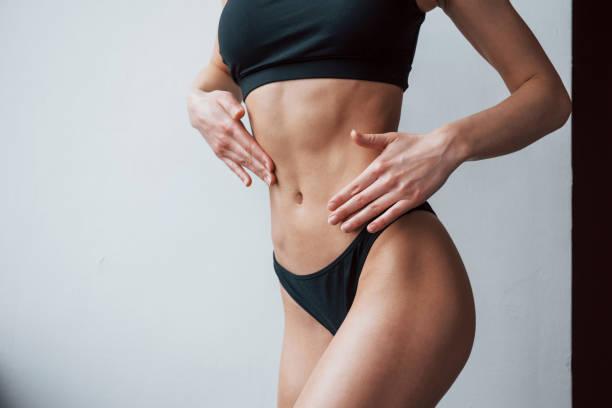
Unwanted fat deposits can sometimes remain in specific body areas despite regular exercise and balanced eating habits. These stubborn pockets may develop around the abdomen, thighs, hips, arms, waist, and back, affecting natural body proportions. Understanding how cosmetic fat removal works can help individuals make informed decisions about body-contouring procedures. Liposuction in Riyadh is a surgical treatment designed to remove selected fat cells from targeted areas using specialized medical instruments. By understanding the process of fat removal, treatment techniques, recovery, and expected outcomes, individuals can develop realistic expectations before considering this procedure.
Understanding How Fat Cells Are Stored in the Body
Fat cells, also known as adipocytes, store energy in the form of fat and are distributed throughout different body regions. Their number and size can vary depending on genetics, age, hormones, and individual body composition. When the body stores additional energy, existing fat cells can increase in size, making certain areas appear fuller. Some individuals naturally accumulate more fat around the abdomen, while others experience greater fullness around the hips or thighs. These differences explain why fat distribution varies from person to person.
Why Certain Fat Deposits Become Difficult to Reduce
Localized fat deposits may remain noticeable even when individuals maintain healthy habits. Several factors can influence these patterns:
-
Genetics: Inherited characteristics affect where the body naturally stores fat.
-
Hormones: Hormonal fluctuations can influence fat distribution.
-
Age: Changes in metabolism and body composition may affect fat storage.
-
Lifestyle: Nutrition and physical activity influence overall body fat levels.
-
Individual Anatomy: Natural differences in body structure can affect the appearance of specific areas.
Understanding these factors helps explain why targeted body-contouring treatments may be considered for selected fat deposits.
How Fat Cells Are Removed During Liposuction
Liposuction is a surgical procedure that removes localized fat through small incisions using a thin instrument called a cannula. The cannula is carefully moved through the targeted area to loosen and remove fat using suction. Liposuction in Riyadh may be considered by individuals who want to reduce stubborn fat deposits and improve the appearance of specific body contours. The procedure removes fat cells from the treated area rather than simply shrinking them. However, it does not eliminate every fat cell, and remaining cells can still increase in size if significant weight gain occurs.
The Main Stages of Fat Removal
The process generally involves several carefully planned stages:
-
Treatment Assessment: The surgeon evaluates the targeted area, medical history, and desired outcome.
-
Anesthesia: Appropriate anesthesia is administered according to the surgical plan.
-
Small Incisions: Small openings are made in selected locations to access the treatment area.
-
Cannula Insertion: A thin cannula is introduced beneath the skin.
-
Fat Removal: Targeted fat is loosened and removed through suction.
-
Completion: The incisions are managed according to the surgical technique, and aftercare instructions are provided.
The technique and amount of fat removed depend on individual anatomy, treatment areas, and medical suitability.
Different Techniques Used for Fat Removal
Several liposuction techniques are available, and the appropriate approach depends on the patient's needs and the surgeon's assessment.
Traditional Suction-Assisted Liposuction
This technique uses a cannula connected to a suction device to remove loosened fat deposits. It is commonly used for targeted body contouring and can address areas such as the abdomen, thighs, hips, and arms.
Tumescent Liposuction
This approach involves injecting a specialized fluid into the treatment area before fat removal. The fluid helps reduce blood loss and provides local anesthesia. It also makes fat removal easier during the procedure.
Ultrasound-Assisted Liposuction
Ultrasound energy is used to help break down fat before suction removal. This technique may be considered for selected areas depending on the patient's anatomy and treatment requirements.
The surgeon determines the most appropriate method after evaluating the targeted areas and overall health.
What Happens to the Body After Fat Cell Removal?
After liposuction, the treated area begins a natural healing process. Temporary swelling, bruising, and discomfort may occur as the body recovers. Over time, swelling gradually decreases, allowing the improved contours to become more visible. Liposuction in Riyadh can provide long-lasting improvements in treated areas when patients maintain a relatively stable weight. However, the remaining fat cells can still expand, and fat may accumulate in untreated areas if body weight increases significantly.
Recovery and Post-Treatment Care
Following the surgeon's instructions is essential for supporting recovery. Compression garments may be recommended to manage swelling and support treated areas. Patients should attend follow-up appointments, maintain appropriate hygiene around incisions, and gradually return to normal activities when medically cleared. Recovery time varies according to the extent of treatment and individual healing responses. Final results may take several months to become fully noticeable.
Benefits of Understanding the Fat Removal Process
Knowing how liposuction works helps individuals develop realistic expectations and understand its role in body contouring. Potential aesthetic benefits include:
-
Removal of selected localized fat deposits.
-
Improved definition in treated areas.
-
Smoother body contours.
-
Better balance between surrounding body regions.
-
Long-lasting reduction of fat cells in treated areas.
Liposuction is not a weight-loss solution, does not remove visceral fat, and cannot prevent future weight gain.
Who May Be Suitable for Liposuction?
Individuals who are close to their preferred body weight but have stubborn fat deposits may be suitable candidates. Good overall health, realistic expectations, and adequate skin elasticity are important considerations. People with certain medical conditions or significant loose skin may require additional assessment. A qualified surgeon can evaluate individual suitability and discuss potential risks, benefits, and alternative treatments.
Book Your Consultation at Royal Clinic Saudi
If you want to understand how targeted fat removal can improve your body contours, professional guidance is an important first step. Royal Clinic Saudi offers aesthetic consultation services to discuss individual concerns, treatment suitability, and available body-contouring options. Book an appointment to learn more about liposuction and receive personalized recommendations based on your aesthetic goals.
Frequently Asked Questions
1. Does liposuction permanently remove fat cells?
Yes, fat cells removed from treated areas are permanently eliminated.
2. How are fat cells removed during liposuction?
A thin cannula loosens and removes targeted fat through suction.
3. Can remaining fat cells become larger?
Yes, remaining fat cells can expand with weight gain.
4. How long does it take to see results?
Results gradually become visible as swelling decreases over several months.

 English
 Arabic
 French
 Spanish
 Portuguese
 Deutsch
 Turkish
 Dutch
 Italiano
 Russian
 Portuguese (Brazil)
 Greek