

How Surgeons Assess Abdominal Skin and Muscle Before a Tummy Tuck
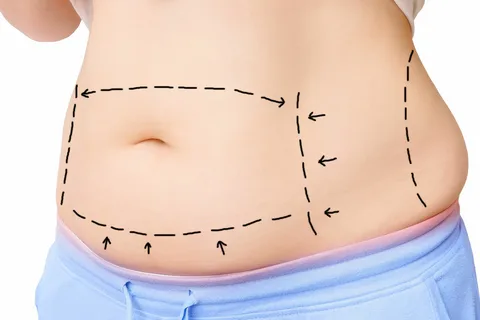
Understanding the Importance of Abdominal Assessment Before Surgery
A tummy tuck is a body-contouring procedure designed to improve the appearance of the abdominal area by addressing excess skin, stubborn tissue, and weakened abdominal muscles. Before recommending surgery, surgeons carefully evaluate the patient's abdominal structure, skin condition, and individual aesthetic concerns. This assessment helps determine which surgical approach may be appropriate and what results can realistically be achieved.
For individuals considering Tummy Tuck surgery in Riyadh (عملية شد البطن في الرياض), understanding the assessment process can make the surgical journey easier to navigate. A detailed consultation allows surgeons to examine the abdomen, discuss personal expectations, and identify factors that may influence the procedure. In Saudi Arabia, modern surgical approaches emphasize individualized planning to address different abdominal concerns while maintaining natural-looking proportions.
How Surgeons Evaluate Abdominal Skin Quality
Examining Skin Elasticity and Firmness
Skin elasticity is an important consideration when planning a tummy tuck. Healthy, elastic skin can generally adjust more easily to changes in abdominal contours, while skin that has lost elasticity may not retract effectively after significant weight changes or pregnancy.
During an examination, surgeons assess how the skin responds to gentle movement and stretching. They also look for areas of looseness, uneven texture, and reduced firmness. These observations help determine how much excess skin may need to be removed.
Patients exploring Tummy Tuck surgery in Saudi Arabia should understand that skin quality can influence the surgical technique and expected outcome. A personalized assessment helps establish an approach that considers the patient's existing skin condition.
Identifying Excess Skin and Stretch Marks
Excess abdominal skin can develop following pregnancy, substantial weight loss, or natural aging. In some individuals, loose skin is concentrated below the belly button, while others experience looseness across the upper and lower abdomen.
Surgeons examine the distribution of excess skin to understand the extent of abdominal changes. They may also evaluate stretch marks, particularly those located on the lower abdomen. Depending on their position, some stretch marks may be removed along with excess skin during surgery, although a tummy tuck does not eliminate every stretch mark.
This examination provides useful information about the areas that may benefit from surgical correction and helps establish realistic expectations.
Assessing Abdominal Muscle Separation and Weakness
Understanding Diastasis Recti
One of the most important aspects of tummy tuck planning is evaluating the abdominal muscles. Pregnancy, weight fluctuations, and other physical changes can contribute to separation of the rectus abdominis muscles, a condition commonly known as diastasis recti.
These muscles normally run vertically along the front of the abdomen. When the connective tissue between them stretches, the muscles may move farther apart, creating a protruding abdominal appearance.
During the consultation, surgeons examine the abdominal wall to identify possible muscle separation. They may ask patients to tighten their abdominal muscles or change positions to observe how the abdominal area responds.
For suitable patients, muscle repair may be incorporated into the tummy tuck procedure to improve abdominal firmness and contour.
Evaluating Muscle Strength and Abdominal Support
Muscle condition is another factor that surgeons consider before recommending surgery. They assess abdominal wall support, muscle tone, and the presence of any unusual bulging.
The evaluation helps distinguish between concerns caused primarily by excess skin and those involving weakened or separated muscles. This distinction is important because removing excess skin alone may not address every abdominal contour concern.
Patients interested in Tummy Tuck surgery in Saudi Arabia should discuss any previous abdominal procedures, pregnancies, or changes in their physical condition during the consultation.
Reviewing Body Shape and Abdominal Proportions
Understanding Individual Body Structure
Every individual has a different abdominal structure, which means that tummy tuck surgery cannot follow exactly the same approach for everyone. Surgeons consider the patient's natural body shape, waistline, skin distribution, and overall proportions before developing a treatment plan.
Some individuals have excess skin concentrated around the lower abdomen, while others experience more extensive changes involving the entire abdominal area. These differences influence the type of surgical correction that may be appropriate.
The objective is to create an abdominal contour that complements the patient's natural body structure rather than producing an appearance that looks disproportionate.
Evaluating Fat Distribution
Surgeons also examine the distribution of abdominal fat. Although a tummy tuck can remove selected excess skin and tissue, it is not designed as a primary weight-loss procedure.
During the assessment, surgeons distinguish between loose skin, localized fat deposits, and muscle separation. In certain cases, additional body-contouring techniques may be discussed if they are medically appropriate.
Maintaining a relatively stable weight before surgery can help patients achieve more predictable results. Significant weight fluctuations after the procedure may affect the abdominal contour over time.
Choosing the Appropriate Tummy Tuck Technique
Full Tummy Tuck Assessment
A full tummy tuck may be considered for individuals who have excess skin across a larger portion of the abdomen, particularly when both upper and lower abdominal areas are affected.
During the assessment, surgeons examine the amount of loose skin, the location of muscle separation, and the position of the belly button. These factors help determine whether a full abdominal procedure may address the patient's concerns.
For individuals researching Tummy Tuck surgery in Riyadh, understanding the differences between available surgical approaches can make consultation discussions more informative.
Mini Tummy Tuck Assessment
A mini tummy tuck may be suitable for selected individuals whose primary concerns involve excess skin and tissue below the belly button.
This approach generally involves a smaller treatment area than a full tummy tuck. However, suitability depends on skin quality, abdominal muscle condition, and individual anatomy.
Surgeons carefully examine the lower abdominal region before determining whether a mini procedure can address the patient's concerns effectively. It may not be appropriate for individuals with significant upper abdominal skin laxity or extensive muscle separation.
Medical History and Patient Suitability
A complete assessment involves more than examining the abdominal area. Surgeons also review medical history, previous operations, current medications, and general health.
These details help identify potential factors that could influence surgical safety and recovery. Patients should discuss any existing medical conditions, allergies, previous complications, and relevant lifestyle habits honestly during their consultation.
Pregnancy plans are also important because future pregnancies can stretch the abdominal skin and muscles again, potentially affecting the results.
Individuals considering Tummy Tuck surgery in Saudi Arabia should also understand that suitable candidates are generally those who have realistic expectations, maintain a relatively stable weight, and are in appropriate overall health.
What Happens During a Tummy Tuck Consultation?
The consultation is an opportunity for patients to explain their concerns and understand the available treatment options. Surgeons may ask about previous pregnancies, weight changes, abdominal discomfort, and personal aesthetic goals.
A physical examination allows the surgeon to assess skin elasticity, muscle separation, fat distribution, and abdominal proportions. Measurements or clinical photographs may also be used when appropriate to support surgical planning.
Patients can discuss the expected incision location, possible scarring, recovery considerations, and potential complications. They should also ask whether muscle repair or additional procedures may be relevant to their circumstances.
A detailed consultation helps ensure that the proposed surgical approach is based on individual needs rather than general assumptions.
Recovery Considerations and Expected Results
Recovery is an important part of the overall tummy tuck journey. Following surgery, patients may experience swelling, temporary discomfort, bruising, and restricted movement. These effects generally improve gradually as the body heals.
Surgeons provide specific instructions regarding wound care, physical activity, compression garments, and follow-up appointments. Following these recommendations can support healing and help reduce the risk of complications.
Patients should avoid strenuous activities until their surgeon confirms that returning to them is appropriate. The recovery period varies according to the surgical technique, the extent of treatment, and individual healing responses.
The final abdominal contour develops gradually as swelling decreases and tissues settle. Although surgery can create meaningful changes in abdominal appearance, results vary between individuals and cannot be guaranteed.
Frequently Asked Questions
What Do Surgeons Examine Before a Tummy Tuck?
Surgeons examine skin elasticity, excess abdominal skin, muscle separation, fat distribution, and overall body proportions. They also review medical history to determine whether the procedure is appropriate.
Can Tummy Tuck Surgery Repair Separated Abdominal Muscles?
Yes, muscle repair may be included when abdominal muscle separation, known as diastasis recti, is present. The suitability of this approach depends on the patient's anatomy and surgical assessment.
Is a Full Tummy Tuck Better Than a Mini Tummy Tuck?
Neither option is universally better. A full tummy tuck generally addresses more extensive abdominal concerns, while a mini tummy tuck focuses primarily on the lower abdomen. The appropriate option depends on individual anatomy.
Who Is a Suitable Candidate for Tummy Tuck Surgery in Saudi Arabia?
Suitable candidates are generally individuals with excess abdominal skin or muscle separation who are in appropriate overall health and have realistic expectations. A professional consultation is necessary to determine eligibility.
Does a Tummy Tuck Remove Stretch Marks?
Some stretch marks located on the lower abdomen may be removed along with excess skin. However, stretch marks outside the treated area may remain after surgery.
How Long Does It Take to See Tummy Tuck Results?
Initial changes may become noticeable after surgery, but swelling can temporarily affect the abdominal appearance. The contour improves gradually during recovery, with final results taking several months to develop.
Conclusion
Understanding how surgeons assess abdominal skin and muscle before surgery can help individuals make more informed decisions about body contouring. Skin elasticity, muscle separation, excess tissue, fat distribution, and overall health all contribute to determining the most appropriate surgical approach. Careful evaluation also helps establish realistic expectations and supports individualized treatment planning.
For individuals exploring Tummy Tuck surgery in Riyadh, learning about modern surgical techniques and the importance of professional assessment is an important step toward making confident decisions. Tummy Tuck surgery in Saudi Arabia offers different approaches to addressing abdominal concerns, depending on individual anatomy and treatment goals. Enfield Royal Clinic Saudi is a name patients may explore when researching aesthetic treatment options and seeking further information about abdominal contouring procedures.

 Arabic
 French
 Spanish
 Portuguese
 Deutsch
 Turkish
 Dutch
 Italiano
 Russian
 Romaian
 Portuguese (Brazil)
 Greek