


Gynecomastia Surgery and Hormone Testing: What Men Should Know
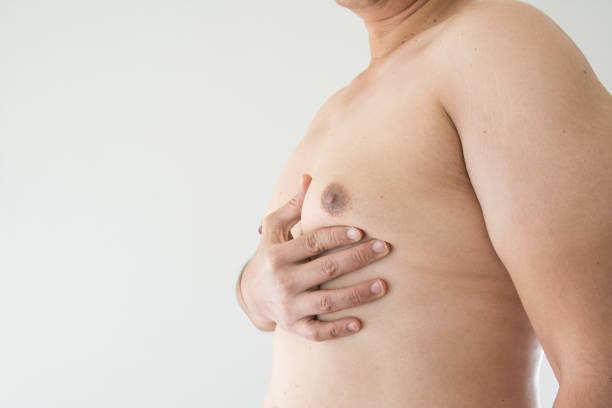
Gynecomastia is a condition in which men develop enlarged breast tissue due to an imbalance between estrogen and testosterone hormones. It can affect one or both breasts and may occur during adolescence or adulthood. Although the condition is generally harmless, it can cause physical discomfort, embarrassment, and reduced self-confidence. Understanding the underlying cause is an important part of choosing the right treatment. Gynecomastia Surgery in Riyadh offers men an opportunity to address persistent breast enlargement and achieve a flatter, more masculine chest appearance.
Before considering treatment, it is important to understand how hormonal changes contribute to breast tissue development. Many men also research terms such as gyno surgery cost while exploring their treatment options, but understanding the medical reasons behind gynecomastia should be an important first step. Hormone testing can help identify possible imbalances and determine whether breast enlargement is related to hormonal changes, medications, underlying health conditions, or excess fatty tissue.
Understanding the Connection Between Gynecomastia and Hormones
Hormones play an important role in regulating male breast tissue. Testosterone is the primary male sex hormone, while estrogen is also naturally present in men in smaller amounts. When the balance between these hormones changes, breast glandular tissue may begin to develop.
Gynecomastia can occur during puberty, when hormone levels fluctuate naturally. It may also develop in adulthood due to aging, certain medications, medical conditions, or changes in hormone production.
Unlike ordinary chest fat, true gynecomastia involves the development of glandular breast tissue. This distinction is important because the appropriate treatment depends on the type and severity of enlargement.
Why Is Hormone Testing Important Before Gynecomastia Surgery?
Hormone testing is an important part of evaluating some patients with enlarged male breasts. It helps healthcare professionals investigate whether hormonal changes are contributing to the condition.
Identifying Hormonal Imbalances
Blood tests may be recommended to evaluate testosterone and estrogen levels. Depending on the patient's medical history and symptoms, additional tests may include thyroid hormones, prolactin, luteinizing hormone, and follicle-stimulating hormone.
These investigations can provide useful information about the body's hormonal activity and help identify possible underlying causes.
Understanding the Underlying Cause
Gynecomastia does not always develop because of a single hormonal issue. Certain medications, liver conditions, thyroid disorders, and other health concerns may contribute to breast enlargement.
A medical assessment helps identify these possibilities before treatment. If an underlying condition is discovered, addressing it may be an important part of the overall treatment plan.
Determining the Right Treatment Approach
Hormone testing does not automatically mean that surgery is necessary. In some cases, treating an underlying hormonal problem may help improve breast enlargement, particularly when the condition has developed recently.
However, persistent glandular tissue may not disappear even after hormone levels return to normal. In these situations, surgery may be considered after an appropriate evaluation.
When Is Gynecomastia Surgery Recommended?
Gynecomastia surgery may be recommended for men who experience persistent breast enlargement that does not improve with observation or appropriate medical management.
Men with firm glandular tissue, excess chest fat, or a combination of both may benefit from surgical treatment. The decision depends on individual anatomy, medical history, skin condition, and treatment expectations.
Persistent Breast Enlargement
When enlarged breast tissue remains for an extended period, surgical removal may be considered. This is particularly relevant when the condition causes ongoing discomfort or affects confidence.
Excess Fat and Glandular Tissue
Some men develop enlarged breasts because of excess fatty tissue, while others have actual glandular enlargement. A combination of both is also common. Identifying the tissue responsible helps determine the most suitable surgical technique.
Physical Discomfort and Self-Confidence
Gynecomastia can make everyday activities uncomfortable, particularly when wearing fitted clothing or participating in activities that expose the chest. Surgery may help create a flatter chest contour and improve comfort and confidence.
What Happens During Gynecomastia Surgery?
Gynecomastia surgery is designed to reduce enlarged male breast tissue and improve chest appearance. The surgical approach depends on whether the enlargement is caused by excess fat, glandular tissue, or both.
Liposuction may be used to remove excess fatty tissue, while surgical excision may be necessary to remove firm glandular tissue. In some cases, both techniques are combined to achieve a more balanced chest contour.
The procedure is generally performed under anesthesia, depending on the surgical plan. The treatment area and expected results are discussed during the preoperative consultation.
Recovery and Results After Gynecomastia Surgery
Recovery varies from person to person depending on the surgical technique and individual healing process. Patients may experience temporary swelling, bruising, and tenderness following treatment.
Following postoperative instructions is essential for proper healing. Patients may be advised to wear a compression garment, avoid strenuous physical activities temporarily, and attend follow-up appointments.
Initial improvements may become noticeable as swelling decreases, although the final chest contour can take several months to develop. Maintaining a stable weight and following healthy lifestyle habits can also help preserve the results.
Frequently Asked Questions
1. Is hormone testing necessary before gynecomastia surgery?
Hormone testing may be recommended depending on the patient's age, symptoms, medical history, and suspected cause of breast enlargement. It helps identify possible hormonal imbalances and underlying conditions.
2. Can hormonal imbalance cause gynecomastia?
Yes. Changes in the balance between estrogen and testosterone can contribute to the development of male breast tissue. However, medications, medical conditions, and other factors may also play a role.
3. Can gynecomastia disappear without surgery?
Some cases, particularly those associated with puberty or temporary hormonal changes, may improve naturally. However, persistent glandular tissue may require surgical treatment if it does not resolve.
4. Does gynecomastia surgery remove both fat and glandular tissue?
Yes, depending on the patient's condition. Liposuction can remove excess fat, while surgical excision can remove glandular tissue. Both techniques may be combined when necessary.
5. How long does recovery from gynecomastia surgery take?
Recovery depends on the surgical technique and individual healing process. Most patients gradually return to normal activities according to their postoperative instructions, while complete healing and final results may take several months.
Book Your Gynecomastia Consultation at Enfield Royal Clinic
Understanding the relationship between hormonal health and male breast enlargement is an important step toward choosing appropriate treatment. At Enfield Royal Clinic, patients can receive an individual assessment to discuss their concerns, understand available treatment approaches, and explore whether gynecomastia surgery is suitable for their needs. Book a consultation to take an informed step toward achieving a flatter and more defined chest appearance.

 English
 Arabic
 French
 Spanish
 Portuguese
 Deutsch
 Turkish
 Dutch
 Russian
 Romaian
 Portuguese (Brazil)
 Greek