


Can Melasma Treatment Help Restore a More Even Complexion?
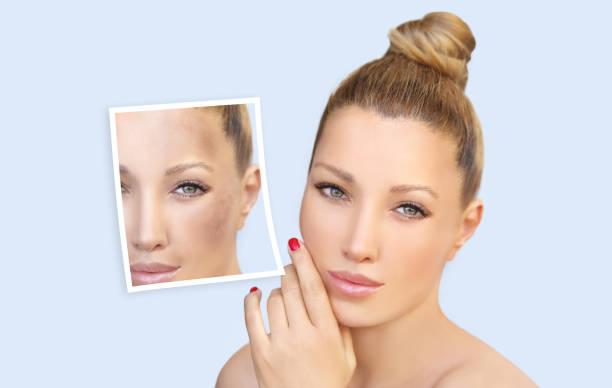
Uneven skin tone and persistent dark patches can make the complexion appear less balanced. Melasma is a common pigmentation condition that often affects the cheeks, forehead, nose, and upper lip. It develops when pigment-producing cells become overactive, creating areas of brown or grey-brown discoloration. Although managing melasma can take time, suitable skincare and professional procedures may help reduce the visibility of these patches. A personalized melasma treatment plan can support a more even-looking complexion by addressing pigmentation and reducing factors that contribute to its recurrence.
How Does Melasma Affect Your Complexion?
Melasma causes excess melanin to accumulate in certain areas of the skin, resulting in flat patches that may vary in color and size. The discoloration often appears gradually and can become darker after sun exposure or hormonal changes.
Common areas affected include:
-
Cheeks: Pigmentation may appear as symmetrical brown patches on both sides of the face.
-
Forehead: Dark areas can develop across the upper or central forehead.
-
Upper lip: Discoloration may create a shadow-like appearance above the lips.
-
Nose: Pigmented patches may affect the bridge or sides of the nose.
-
Chin: Some individuals experience uneven pigmentation around the lower face.
These patches can make the overall skin tone appear inconsistent. Their depth and intensity vary, which is why treatment should be selected according to individual skin characteristics.
Can Professional Treatment Improve Uneven Skin Tone?
Professional melasma care may help reduce visible discoloration and improve the appearance of the complexion. However, results depend on several factors, including pigmentation depth, skin type, treatment selection, and consistency with aftercare.
A qualified practitioner can examine the affected areas and determine whether topical products, professional procedures, or a combination approach may be appropriate.
Topical Treatments for Pigmentation
Topical products are commonly used to manage melasma. Depending on individual needs, a practitioner may recommend ingredients such as azelaic acid, retinoids, or hydroquinone under appropriate supervision.
These ingredients work through different mechanisms to reduce excess pigmentation and support skin renewal. Some products may cause dryness, redness, or irritation, so they should be introduced carefully and used according to professional instructions.
Chemical Peels for Skin Renewal
Selected superficial chemical peels may help improve uneven skin tone by encouraging controlled exfoliation of the outer skin layers. They can be considered as part of an individualized pigmentation management plan.
The strength and type of peel should be chosen carefully. Aggressive exfoliation can irritate the skin and potentially worsen melasma, particularly in individuals who are prone to post-inflammatory pigmentation.
Laser and Light-Based Treatments
Certain laser and light-based procedures may be considered for selected cases of persistent melasma. These treatments use controlled energy to target pigment, but their suitability depends on skin tone, pigmentation depth, and the device being used.
Laser procedures require particular caution because inflammation or unsuitable settings may cause pigmentation to become darker. A qualified professional should assess the potential benefits and risks before recommending treatment.
Microneedling
Microneedling involves creating controlled micro-injuries in the skin using fine needles. It may be considered in selected cases to support skin renewal and improve certain aspects of skin appearance.
However, it is not suitable for everyone with melasma. The treatment method, intensity, and aftercare should be carefully selected to reduce the risk of irritation and additional pigmentation.
The Role of Sun Protection in Achieving a More Even Complexion
Even an appropriate treatment plan may provide limited improvement if the skin continues to receive frequent sun exposure. Ultraviolet radiation stimulates melanin production, while visible light may also contribute to melasma in some individuals.
To protect the skin:
-
Apply broad-spectrum sunscreen with SPF 30 or higher every morning.
-
Consider tinted sunscreen containing iron oxides for additional visible-light protection.
-
Reapply sunscreen during prolonged outdoor exposure.
-
Wear wide-brimmed hats and use shade whenever possible.
-
Avoid unnecessary exposure to intense heat if it aggravates pigmentation.
-
Choose gentle skincare products that do not cause irritation.
Daily protection helps reduce common triggers and supports improvements achieved through professional care.
How Long Does It Take to Improve Skin Tone?
Melasma does not usually disappear immediately after beginning treatment. Improvements may develop gradually over several weeks or months, depending on the pigmentation depth, skin response, and selected approach.
Some individuals may notice that dark patches become less prominent, while others require longer-term management. Regular follow-up appointments can help assess progress and determine whether the treatment plan needs adjustment.
It is also important to understand that melasma is a chronic condition. Even after visible improvement, pigmentation may return because of sun exposure, hormonal changes, or other triggers. Maintenance skincare and preventive habits are therefore important.
Who May Benefit From Professional Melasma Care?
Individuals experiencing persistent facial pigmentation, recurring dark patches, or uneven skin tone may benefit from a professional assessment. People who have tried basic skincare products without satisfactory improvement may also wish to explore additional options.
A practitioner can evaluate the pigmentation pattern, skin sensitivity, medical history, and previous treatment experience. This helps determine whether topical care or selected procedures may be appropriate.
Avoid using multiple strong products or undergoing aggressive treatments without professional advice. An individualized approach is generally safer than choosing procedures based only on popularity.
Maintain a Balanced Complexion With Consistent Skincare
Maintaining improvements requires more than professional treatment. A gentle cleanser, suitable moisturizer, and daily sunscreen can help support the skin barrier and reduce exposure to common pigmentation triggers.
Follow the recommended skincare routine consistently and avoid excessive exfoliation. If a product causes persistent burning, redness, or irritation, seek professional guidance. Regular monitoring can also help identify early signs of recurring pigmentation.
Explore Personalized Melasma Care at Royal Clinic Saudia
A more even-looking complexion can be supported through appropriate pigmentation management, consistent sun protection, and professional skincare guidance. If you are exploring Melasma Treatment in Riyadh, a consultation can help identify suitable options based on your skin type and pigmentation concerns. At Royal Clinic Saudia, you can seek professional guidance on managing dark patches and developing a skincare plan that supports your complexion. With realistic expectations and consistent care, Melasma Treatment in Riyadh can help improve the appearance of uneven skin tone while supporting long-term skin health.

 English
 Arabic
 French
 Spanish
 Portuguese
 Deutsch
 Turkish
 Dutch
 Russian
 Romaian
 Portuguese (Brazil)
 Greek