


Choosing the Right Pump for Reliable Wastewater Management
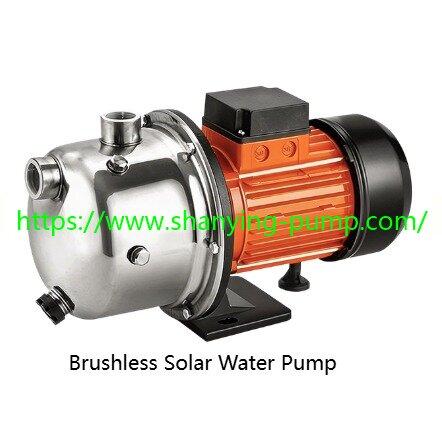
Wastewater management involves more than collecting and transporting used water. It requires equipment capable of handling changing liquid conditions, suspended solids, and demanding operating environments. Within these systems, a Submersible Wastewater Pump plays an important role by operating directly in the liquid being transferred, helping reduce the need for complicated external suction arrangements. Selecting suitable equipment therefore requires attention to construction materials, internal structure, operating conditions, and the practical needs of the installation.
Material selection is one of the first considerations when evaluating wastewater pumping equipment. Unlike clean water, wastewater may contain suspended particles, organic matter, detergents, and other substances that gradually affect surfaces exposed to the liquid. Materials used in the pump body, impeller, shaft, and sealing components should be selected according to the characteristics of the intended application. Cast iron is commonly considered for structural strength and resistance to demanding working conditions, while stainless steel may be appropriate where corrosion resistance and easier maintenance are important. The choice depends on the wastewater composition and the surrounding environment.
Material compatibility also influences long-term maintenance. Components that come into regular contact with wastewater may experience abrasion, corrosion, or deposits. A well-considered material combination can help reduce premature wear and make routine servicing more manageable. Buyers should pay attention not only to the main housing but also to smaller components such as fasteners, seals, and connection parts. These details can affect the equipment's service experience, particularly in installations where maintenance access is limited.
Choosing appropriate equipment begins with understanding the actual wastewater source. Domestic sewage, commercial drainage, industrial wastewater, and treatment facility applications can involve very different liquid conditions. Some systems mainly transfer ordinary drainage water, while others handle liquids containing fibers, sediment, or larger suspended materials. Before making a selection, buyers should identify the nature of the liquid, the possibility of solid accumulation, the installation environment, and the expected operating pattern. This information helps narrow down suitable pump structures and reduces the risk of choosing equipment that does not match the application.
The impeller design deserves particular attention during the selection process. Different impeller structures are developed to accommodate different fluid characteristics. A design intended for relatively clean drainage may not be appropriate for wastewater containing fibrous or solid matter. Buyers should therefore consider how the internal flow passage is arranged and whether the impeller structure is suitable for the material being transferred. Accessibility for inspection and cleaning is also worth evaluating, especially in systems where blockages could interrupt normal operation.
Sealing technology is another important part of pump construction. Because the motor operates within a sealed housing while the equipment is immersed in liquid, effective protection against water entry is essential. Mechanical seals and other protective arrangements help separate the motor compartment from the surrounding wastewater. The quality of these components, together with the overall assembly process, influences operational reliability. For users, a practical design should also make it possible for qualified maintenance personnel to inspect relevant components without unnecessary difficulty.
Operational convenience matters just as much as internal performance. In many wastewater installations, equipment is positioned inside a collection pit, drainage chamber, or treatment tank. Operators may not have continuous direct access to the pump, so straightforward installation and dependable automatic operation can be valuable. Features such as float switches or compatible control systems may help coordinate starting and stopping according to liquid levels. Protection against abnormal operating conditions can also support equipment safety when incorporated into an appropriately designed system.
The user experience is influenced by how easily the equipment fits into the wider wastewater installation. A suitable pump should work with the existing piping arrangement, discharge connections, control equipment, and available installation space. Portable designs may be useful where pumping locations change, while fixed installations can benefit from guide rail arrangements that simplify positioning and removal. Buyers should also consider whether lifting arrangements, electrical connections, and maintenance access are practical for the people responsible for daily operation.
Appearance and structural design have functional value in industrial equipment. A compact housing can make installation easier in restricted spaces, while a stable base and carefully arranged discharge outlet can support convenient positioning. Protective coatings and well-finished surfaces may also help equipment withstand demanding environments. Although appearance is rarely the main purchasing factor for wastewater pumps, a clear and practical structure can make inspection, handling, and integration into an existing system more straightforward.
Noise, vibration, and maintenance requirements should be considered as part of the overall operating experience. Poor installation, unsuitable operating conditions, or worn components may contribute to excessive vibration and unnecessary disruption. Correct equipment selection, appropriate installation practices, and regular inspection can help operators identify developing problems before they lead to extended downtime. Maintenance planning should account for the accessibility of wear components, the availability of replacement parts, and the technical support offered by the supplier.
Taizhou Shanying Pump Co., Ltd. provides pumping equipment for applications involving water transfer and wastewater handling. When evaluating a suitable solution, purchasers can consider the liquid characteristics, installation arrangement, material requirements, and maintenance expectations together rather than focusing on a single product feature. Further information about the company's products and available pumping solutions can be found at https://www.shanying-pump.com/.

 English
 Arabic
 French
 Spanish
 Portuguese
 Deutsch
 Turkish
 Dutch
 Russian
 Romaian
 Portuguese (Brazil)
 Greek