

How Does a Liposuction Procedure Work?
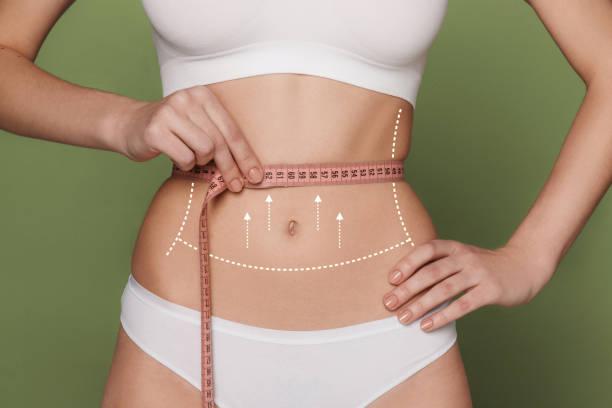
Liposuction is a cosmetic body-contouring procedure designed to remove stubborn fat deposits from specific areas of the body. It is often considered by individuals who maintain a healthy lifestyle but struggle with localized fat that does not respond easily to diet and exercise. Understanding how the procedure works can help patients develop realistic expectations and make informed decisions. During a Liposuction procedure in Riyadh (عملية شفط الدهون في الرياض), a surgeon evaluates the patient's body composition, target areas, and aesthetic goals before selecting an appropriate technique.
What Is Liposuction?
Liposuction is a surgical procedure that removes excess fat from beneath the skin using specialized instruments. It is commonly performed on areas such as the abdomen, thighs, hips, arms, back, and chin. The primary purpose is to improve body contours rather than achieve significant weight loss.
The procedure focuses on localized fat deposits that affect body proportions. It may help create a more defined appearance by reducing fullness in selected areas while maintaining the body's natural shape.
How Does a Liposuction Procedure Work?
Liposuction generally involves loosening and removing unwanted fat through a thin instrument called a cannula. The surgeon makes small incisions near the treatment area and carefully inserts the cannula beneath the skin.
Step 1: Initial Consultation and Assessment
Before surgery, the surgeon examines the areas where fat removal is being considered. This assessment may include:
-
Body composition: Evaluating the distribution of fat and overall body proportions.
-
Skin elasticity: Determining whether the skin is likely to adapt to the new contours.
-
Medical history: Reviewing existing health conditions, medications, and previous procedures.
-
Treatment goals: Understanding the patient's expectations and discussing achievable outcomes.
This evaluation helps the surgeon determine whether liposuction is appropriate and which technique may be suitable.
Step 2: Anesthesia and Preparation
Liposuction may be performed under local anesthesia with sedation or general anesthesia, depending on the treatment area, amount of fat being removed, and surgical plan. The medical team prepares the treatment area and follows appropriate safety procedures before beginning.
The anesthesia approach is selected to support patient comfort and ensure the procedure can be performed safely.
Step 3: Making Small Incisions
The surgeon creates small incisions in carefully selected locations near the targeted fat deposits. These openings provide access for the cannula, a narrow tube used to loosen and remove fat.
Incisions are generally positioned strategically to help minimize their visibility after healing.
Step 4: Loosening and Removing Fat
The cannula is inserted through the incision and moved carefully through the fatty tissue. The surgeon uses controlled movements to separate fat cells from surrounding tissue. A suction device then removes the loosened fat through the cannula.
The surgeon monitors the amount and distribution of fat removed to create balanced contours. The technique and amount of fat removal depend on the patient's anatomy and surgical plan.
Step 5: Closing the Incisions and Recovery
After the targeted fat has been removed, the surgeon completes the procedure and provides instructions for recovery. Depending on the surgical approach, small incisions may be closed or left partially open to allow fluid drainage.
Patients may be advised to wear compression garments to help control swelling and support the treated areas during healing.
What Techniques Are Used During Liposuction?
Different liposuction techniques use specialized methods to loosen or remove fat. The most appropriate option depends on the treatment area, patient characteristics, and surgeon's experience.
Traditional Liposuction
Traditional liposuction uses a cannula connected to a suction device to remove fat. The surgeon manually moves the instrument through the targeted area to loosen and extract unwanted fat deposits.
Tumescent Liposuction
This technique involves injecting a special fluid containing saline, a local anesthetic, and a medication that constricts blood vessels into the treatment area. The fluid helps prepare the fatty tissue for removal and can reduce bleeding and discomfort.
Ultrasound-Assisted Liposuction
Ultrasound-assisted liposuction uses energy to help break down fat before it is removed through suction. It may be considered for selected treatment areas and certain types of fatty tissue.
Laser-Assisted Liposuction
Laser-assisted techniques use laser energy to affect fat cells before removal. Depending on the device and treatment plan, the energy may also produce some tissue-heating effects. Results vary, and skin tightening should not be guaranteed.
Which Areas of the Body Can Liposuction Treat?
Liposuction can address localized fat deposits in several body areas, depending on individual suitability.
-
Abdomen: Helps reduce stubborn fullness around the stomach.
-
Thighs: Targets selected fat deposits on the inner or outer thighs.
-
Hips and flanks: Helps improve the appearance of the waistline.
-
Upper arms: Reduces excess fat that contributes to arm fullness.
-
Back: Addresses localized deposits around the upper or lower back.
-
Chin and neck: May improve the appearance of fullness beneath the chin.
A surgeon evaluates each area separately to determine whether fat removal is appropriate.
What Happens After a Liposuction Procedure?
Recovery varies depending on the technique, treatment areas, and amount of fat removed. Swelling, bruising, tenderness, and temporary fluid drainage may occur during the initial healing period.
Patients are generally advised to:
-
Wear compression garments as directed by the surgeon.
-
Follow wound-care and hygiene instructions.
-
Avoid strenuous exercise until medically cleared.
-
Begin gentle walking when recommended to support circulation.
-
Attend follow-up appointments to monitor healing.
Some improvement may become noticeable as early swelling decreases, but final contours can take several months to develop. Liposuction also does not prevent future weight gain, so maintaining stable habits can help preserve the results.
Is Liposuction Suitable for Everyone?
Liposuction is generally intended for people with localized fat deposits who are near a stable, healthy weight. It is not a treatment for obesity or a substitute for weight management. Good skin elasticity may also contribute to more satisfactory contouring outcomes.
Patients with certain medical conditions, circulation problems, or other health concerns may require additional evaluation before considering surgery. A qualified surgeon can explain the potential benefits, limitations, and risks based on individual circumstances.
Explore Your Body-Contouring Options at Royal Clinic Saudia
Liposuction works by loosening and removing targeted fat deposits through small incisions using specialized surgical instruments. The technique, treatment areas, and recovery plan are selected according to each patient's anatomy and goals. Understanding the procedure helps patients approach surgery with realistic expectations and greater confidence. To discuss suitable treatment options and receive an individualized assessment, patients can consult the medical team at Royal Clinic Saudia (عيادات رويال كلينك) about a Liposuction procedure in Riyadh.

 English
 Arabic
 French
 Spanish
 Portuguese
 Turkish
 Dutch
 Italiano
 Russian
 Romaian
 Portuguese (Brazil)
 Greek