

What Happens During Rhinoplasty Surgery? A Complete Guide for Patients in Riyadh
Understanding what happens during rhinoplasty surgery can help patients feel more confident and prepared before choosing this procedure. Rhinoplasty is a surgical treatment designed to change the shape, size, or structure of the nose while maintaining facial harmony. Whether someone wants to improve the nasal bridge, refine the tip, correct asymmetry, or address breathing difficulties, the procedure is planned according to individual needs and facial features.
For individuals considering Rhinoplasty in Riyadh(تجميل الأنف في الرياض), learning about each stage of surgery is an important step toward making an informed decision. From the initial consultation and surgical preparation to the procedure itself and recovery, knowing what to expect can reduce uncertainty. A personalized treatment plan helps ensure that the surgical approach considers both the patient's aesthetic goals and nasal function.
What Is Rhinoplasty Surgery?
Rhinoplasty, commonly known as nose reshaping surgery, is a procedure that modifies the structure of the nose. It may involve adjusting cartilage, reshaping nasal bones, refining the nasal tip, or correcting structural concerns that affect breathing.
Some patients choose rhinoplasty to improve the appearance of their nose, while others undergo surgery to address functional problems such as a deviated septum. In certain cases, both aesthetic and functional improvements can be considered during the same procedure.
The surgical technique depends on the patient's nasal anatomy, medical history, and desired outcome. The overall goal is to achieve a balanced appearance while preserving or improving normal nasal function.
What Happens Before Rhinoplasty Surgery?
Initial Consultation and Nasal Assessment
The process begins with a consultation and detailed examination of the nose. The surgeon evaluates nasal structure, skin thickness, cartilage, bone alignment, and facial proportions. Patients can discuss their concerns and explain what changes they would like to achieve.
Medical history, previous nasal procedures, allergies, and breathing difficulties may also be reviewed. This assessment helps determine whether rhinoplasty is appropriate and which surgical technique may be suitable.
Creating a Personalized Surgical Plan
After the assessment, a personalized treatment plan is developed. The surgeon considers the patient's facial features and discusses realistic expectations regarding possible results.
Patients may also receive instructions about medications, smoking, eating, and drinking before surgery. Following these instructions is important for reducing potential surgical risks and preparing the body for the procedure.
What Happens During Rhinoplasty Surgery?
Anesthesia and Surgical Preparation
On the day of surgery, the medical team prepares the patient for the procedure. Rhinoplasty is commonly performed under general anesthesia, although the appropriate anesthesia approach depends on the surgical plan and individual circumstances.
Once anesthesia has taken effect, the surgical area is cleaned and prepared. The patient remains monitored throughout the procedure to support safety and comfort.
Making the Surgical Incisions
There are two commonly used approaches to rhinoplasty: open and closed techniques.
In open rhinoplasty, a small incision is made across the columella, the tissue separating the nostrils. This allows the surgeon to lift the nasal skin and obtain a clearer view of the underlying structures.
In closed rhinoplasty, incisions are made inside the nostrils. This approach may be suitable for certain types of nasal reshaping because it avoids an external incision.
Reshaping the Nasal Structure
Once the necessary structures are accessible, the surgeon carefully modifies the nasal bones and cartilage according to the treatment plan. This may involve reducing a prominent nasal bridge, refining the nasal tip, correcting asymmetry, or adjusting the width of the nose.
If functional concerns are present, structural corrections may also be performed to improve airflow. Every adjustment is based on the patient's anatomy and planned surgical outcome.
Closing the Incisions and Applying Support
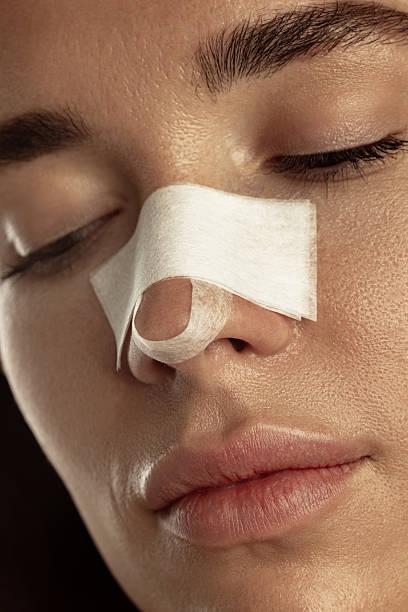
After the reshaping is complete, the incisions are carefully closed. A nasal splint may be placed over the nose to provide support and help protect the newly adjusted structures during early healing.
In some cases, internal splints or packing may also be used. The patient is then monitored during the initial recovery period before being discharged according to the medical team's instructions.
What Happens After Rhinoplasty Surgery?
Initial Recovery and Swelling
Swelling, bruising around the eyes, mild discomfort, and nasal congestion are common during the early recovery period. These effects generally improve gradually, although some swelling can remain for several months.
Patients are usually advised to rest, keep their head elevated, avoid pressure on the nose, and follow all post-operative instructions.
Follow-Up Appointments and Healing
Follow-up appointments allow the medical team to monitor healing and assess the initial results. Patients may be advised to avoid strenuous exercise, heavy lifting, and activities that could accidentally injure the nose.
Although early improvements may become noticeable after swelling decreases, the final nasal shape can take up to a year or longer to become fully established.
Frequently Asked Questions
How long does rhinoplasty surgery take?
Rhinoplasty commonly takes around one to three hours, depending on the complexity of the procedure. More extensive surgical corrections may require additional time.
Is rhinoplasty surgery painful?
Patients receive anesthesia during surgery, so they do not feel the surgical procedure itself. Mild discomfort, swelling, and congestion may occur during recovery and can usually be managed with prescribed care.
Will there be visible scars after rhinoplasty?
Closed rhinoplasty generally leaves no visible external scars because the incisions are inside the nostrils. Open rhinoplasty involves a small external incision that usually becomes less noticeable as it heals.
When can I return to normal activities after rhinoplasty?
Many patients can gradually resume light daily activities within one to two weeks. Strenuous exercise and activities that risk nasal injury should be avoided until the surgeon provides clearance.
When will I see the final results of rhinoplasty?
Initial changes become visible as swelling decreases over the first few weeks. However, complete healing and refinement of the nasal shape may take twelve months or longer.
Book Your Rhinoplasty Consultation at Enfield Royal Clinic
If you are considering nose reshaping surgery, understanding the procedure is an important first step. Enfield Royal Clinic(عيادة إنفيلد الملكية) offers personalized consultations to discuss your aesthetic goals, evaluate your nasal structure, and explain suitable treatment options. Schedule a consultation to learn more about the procedure and determine the right approach for your needs.

 English
 Arabic
 French
 Spanish
 Portuguese
 Deutsch
 Turkish
 Dutch
 Italiano
 Russian
 Romaian
 Portuguese (Brazil)