


What Makes Some Abdominal Contouring Procedures More Suitable Than Others?
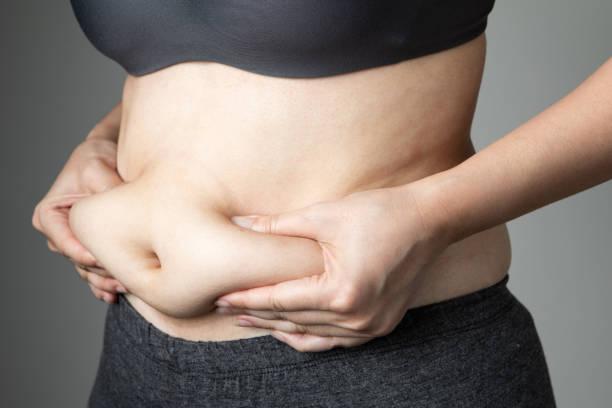
Choosing an abdominal contouring procedure involves more than deciding how much fat needs to be reduced. Different treatments address different concerns, such as localized fat deposits, loose skin, and changes in abdominal muscle structure. A procedure that works well for one individual may not provide the same benefits for someone with different anatomy or treatment goals. belly fat removal should therefore begin with an assessment of the patient's body composition, skin elasticity, medical history, and expectations. Understanding the factors that influence treatment suitability can help individuals make informed decisions and choose an approach that matches their needs.
Understanding the Different Abdominal Contouring Procedures
Abdominal contouring includes surgical and non-surgical methods designed to improve the appearance of the stomach. Each option has a specific purpose, and understanding its limitations is essential before choosing treatment.
Liposuction for Localized Fat Deposits
Liposuction is a surgical procedure that removes selected subcutaneous fat through small incisions. It may be suitable for individuals who have stubborn fat deposits around the abdomen or waist despite maintaining a relatively stable weight.
This procedure focuses on fat reduction rather than significant skin removal or muscle repair. Patients with good skin elasticity may be more likely to experience smoother-looking contours after the underlying fat is removed.
Non-Surgical Fat Reduction
Non-surgical fat reduction treatments use technologies such as controlled cooling or energy-based methods to target selected fat deposits. These procedures generally involve less downtime than surgery, although their results may be more gradual and less extensive.
Their suitability depends on the technology, treatment area, amount of localized fat, and individual health factors. They are not intended to replace surgical procedures when substantial contour changes are required.
Tummy Tuck Surgery
A tummy tuck, also known as abdominoplasty, is designed to remove excess abdominal skin and may include tightening separated abdominal muscles when appropriate. It may be considered for individuals who have loose or hanging skin following pregnancy, significant weight loss, or aging.
Unlike liposuction alone, a tummy tuck addresses excess skin directly. It involves a more extensive surgical procedure and generally requires a longer recovery period.
Factors That Determine Which Procedure Is More Suitable
The Type of Abdominal Concern
The main reason for abdominal fullness is one of the most important considerations. Some patients have localized subcutaneous fat, while others have loose skin, muscle separation, or a combination of concerns.
For individuals considering Belly Fat Removal in Riyadh, a specialist should identify the primary issue before recommending treatment. Removing fat may improve localized fullness, but it will not necessarily correct loose skin or abdominal muscle separation.
Skin Elasticity and Firmness
Skin elasticity affects how the abdomen responds after fat reduction. When the skin has good elasticity, it may adapt more effectively to the reduced volume underneath it. However, loose or less elastic skin may remain noticeable after liposuction.
Patients with significant skin laxity may benefit more from discussing skin-removal procedures rather than relying on fat reduction alone.
Amount and Location of Fat
The amount and distribution of subcutaneous fat influence which technique may be appropriate. Small, localized deposits may be suitable for selected non-surgical treatments, while more noticeable deposits may require surgical evaluation.
The abdomen should also be assessed in relation to surrounding areas, including the waist and flanks. This helps ensure that treatment planning considers overall body proportions rather than focusing on one isolated area.
Overall Health and Medical History
A patient's health can affect treatment eligibility, anesthesia considerations, and recovery. Existing medical conditions, previous surgeries, medications, allergies, and other relevant factors should be discussed during consultation.
Some individuals may need additional medical evaluation or treatment before an elective cosmetic procedure. Safety should always take priority over aesthetic goals.
How Personal Goals Influence Treatment Selection
Treatment suitability also depends on what the patient hopes to achieve. Someone seeking a modest reduction in a small fat deposit may prefer to explore non-surgical options, while an individual with significant loose skin may need a more comprehensive surgical approach.
Patients should explain whether their main goal is to reduce abdominal fullness, improve waistline definition, remove excess skin, or address changes after pregnancy or weight loss. A specialist can then explain which options may realistically address those concerns.
It is important to understand that body contouring is not a substitute for weight management. Procedures are generally intended to improve selected areas rather than produce substantial overall weight loss.
Questions to Ask Before Choosing a Procedure
Before making a decision, patients should ask the specialist several important questions:
-
Which abdominal concern is most suitable for treatment?
-
Why is this procedure recommended over other available options?
-
Will the treatment address fat, loose skin, or both?
-
What results are realistic for my body structure?
-
What risks and complications should I understand?
-
How much recovery time will I need?
-
What aftercare and follow-up will be provided?
These questions help patients compare treatment options and understand the reasoning behind a recommendation.
Why Professional Assessment Matters
A physical examination allows the specialist to evaluate fat distribution, skin condition, abdominal shape, and overall health. Depending on the findings, additional investigations may be recommended. This assessment helps distinguish between concerns that may respond to fat reduction and those that require a different treatment strategy.
Belly Fat Removal in Riyadh should be planned according to individual needs rather than selecting a procedure based only on general descriptions or advertised outcomes. A personalized approach can help patients understand the likely benefits, limitations, and recovery requirements of their chosen treatment.
Choosing an Appropriate Abdominal Contouring Approach
Some abdominal contouring procedures are more suitable than others because they address different physical concerns. Liposuction targets localized fat, non-surgical methods may address selected smaller deposits, and tummy tuck surgery focuses on excess skin and may include muscle repair. The right option depends on anatomy, skin elasticity, health, and realistic expectations. Patients considering Belly Fat Removal in Riyadh can consult the medical team at Royal Clinic Saudia to receive an individual assessment and explore an appropriate treatment plan for their abdominal contouring goals.

 English
 Arabic
 French
 Spanish
 Portuguese
 Deutsch
 Turkish
 Dutch
 Italiano
 Russian
 Portuguese (Brazil)
 Greek