


A Complete Guide to PRP Hair Restoration for Men and Women in Riyadh
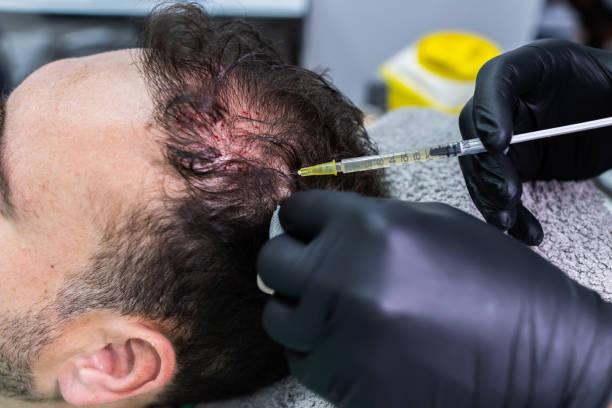
Hair loss and thinning hair are common concerns affecting both men and women. Changes in hair density can influence appearance, confidence, and overall well-being. With advancements in aesthetic and regenerative treatments, Platelet-Rich Plasma (PRP) therapy has become an option for individuals exploring non-surgical approaches to hair restoration. PRP Hair Treatment in Riyadh is increasingly discussed by people seeking professional guidance on improving hair density and addressing early signs of hair thinning.
PRP therapy uses components derived from a person’s own blood to support the scalp’s natural healing processes. Although it is not suitable for every type of hair loss, it may offer benefits for selected individuals when performed following an appropriate medical assessment. Understanding the procedure, potential benefits, limitations, and aftercare can help patients make informed decisions.
What Is PRP Hair Restoration?
Platelet-Rich Plasma therapy is a regenerative treatment that involves collecting a small blood sample and processing it to concentrate platelets. These platelets contain growth factors involved in tissue repair and cellular signaling.
During hair restoration, the concentrated plasma is injected into selected areas of the scalp. The treatment aims to support the hair follicles and improve the scalp environment for hair growth.
PRP is considered a minimally invasive procedure because it does not generally require surgical incisions or extensive downtime. However, it involves injections and should be performed by qualified medical professionals using appropriate techniques.
How PRP Hair Treatment Works
The Role of Platelets and Growth Factors
Platelets are blood components responsible for clotting and contributing to healing. They release growth factors that participate in tissue repair and cellular activity.
In hair restoration, PRP is intended to support follicular activity and potentially improve hair thickness in individuals experiencing certain forms of hair thinning. Research continues to investigate how these growth factors influence hair follicles and the hair growth cycle.
Supporting the Hair Growth Cycle
Hair grows through different phases, including active growth, transition, and resting. Hair thinning can occur when follicles become less active or when the growth cycle changes.
PRP may help support the growth phase in some individuals. However, its effectiveness depends on the underlying cause of hair loss, the condition of the follicles, and individual biological factors.
Who May Benefit From PRP Hair Treatment in Riyadh?
PRP therapy may be considered for men and women experiencing specific types of hair loss.
Men Experiencing Hair Thinning
Men commonly experience androgenetic alopecia, also known as male-pattern hair loss. This condition typically affects the hairline, temples, and crown.
PRP may be considered in cases where hair follicles remain active but produce thinner strands. It is generally more promising for early or moderate thinning than for areas where follicles have been inactive for a prolonged period.
Women Experiencing Hair Loss
Women may experience diffuse thinning across the scalp, widening of the part, or reduced hair density. Female-pattern hair loss is one condition for which PRP may be considered.
A professional assessment is important because hair loss in women can also result from iron deficiency, hormonal changes, thyroid disorders, nutritional deficiencies, or other medical conditions.
Individuals With Early Hair Thinning
People who notice reduced hair density or increased shedding may benefit from an evaluation before hair loss becomes more advanced.
Early assessment can help identify the cause and determine whether PRP, medication, lifestyle changes, or another treatment approach is appropriate.
Benefits of PRP Hair Restoration
PRP therapy has several characteristics that make it appealing to individuals exploring hair restoration.
A Non-Surgical Treatment Approach
PRP does not generally involve surgical incisions, making it an alternative for people who prefer to avoid hair transplantation.
The procedure is performed using injections, and most individuals can return to their usual routine relatively quickly, depending on their comfort and the practitioner’s instructions.
Uses the Patient’s Own Blood
PRP is prepared from the patient’s own blood, which reduces concerns associated with introducing donor-derived biological material.
Nevertheless, using autologous blood does not eliminate all risks. Proper blood handling, sterile preparation, and medical supervision remain essential.
Potential Improvement in Hair Density
Some studies suggest PRP may improve hair thickness and density in selected patients with pattern hair loss.
Results vary considerably, and treatment should not be presented as a guaranteed solution. Some individuals may experience noticeable improvement, while others may see limited changes.
The PRP Hair Treatment Procedure in Riyadh
Understanding the treatment process can help individuals prepare for their consultation and procedure.
Initial Consultation and Scalp Assessment
The process usually begins with a medical consultation. A specialist reviews the patient’s medical history, examines the scalp, and discusses hair loss patterns.
Depending on the situation, additional investigations may be recommended to identify underlying conditions. This assessment helps determine whether PRP is appropriate and whether other treatments should be considered.
Blood Collection and PRP Preparation
A small amount of blood is collected from the patient, usually from the arm. The sample is placed in a specialized centrifuge that separates its components.
The platelet-rich portion is then prepared for treatment. Preparation methods can differ depending on the equipment and protocol used.
Injection Into the Scalp
The prepared PRP is injected into selected scalp areas using fine needles. The practitioner identifies areas requiring attention based on the hair loss pattern and treatment plan.
Patients may experience temporary discomfort, pressure, or mild sensitivity during the injections. Local anesthetic or other comfort measures may be considered when appropriate.
How Many PRP Sessions Are Needed?
The number of sessions varies according to the individual’s hair loss condition, response to treatment, and practitioner recommendations.
Many treatment protocols involve an initial series of sessions spaced several weeks apart, followed by maintenance treatments when appropriate.
There is no universal schedule that works for everyone. A personalized plan should be developed after examining the scalp and discussing realistic treatment expectations.
Patients should also understand that PRP is not necessarily a permanent solution. Hair loss may continue because of genetics, hormonal influences, aging, or other underlying conditions.
Expected Results and Recovery
When Can Results Become Visible?
Hair growth occurs gradually, so changes may take several months to become noticeable.
Some patients may observe reduced shedding or improved hair thickness over time. Others may require additional treatment or may not respond significantly.
Regular follow-up appointments help assess progress and determine whether the treatment plan should be adjusted.
Recovery After PRP Treatment
Most patients experience minimal downtime following PRP therapy. Temporary redness, tenderness, swelling, or mild scalp sensitivity may occur.
These effects generally resolve within a short period. Patients should follow the practitioner’s instructions regarding scalp washing, exercise, hair products, and sun exposure.
It is important to avoid scratching or irritating the treated area while the scalp is recovering.
Risks and Limitations of PRP Hair Therapy
Although PRP uses the patient’s own blood, it is still a medical procedure and carries potential risks.
Temporary discomfort, bruising, swelling, redness, and irritation may occur at injection sites. Infection is uncommon but possible if proper sterile techniques are not followed.
PRP may also produce limited results in individuals with advanced hair loss or inactive follicles. It cannot reliably restore hair in completely bald areas where follicles are no longer functioning.
Patients with certain blood disorders, platelet abnormalities, active scalp infections, or other medical conditions may not be suitable candidates. A qualified healthcare professional should assess individual risks before treatment.
PRP Hair Treatment in Saudi Arabia: Choosing the Right Approach
People considering PRP Hair Treatment in Riyadh should focus on medical suitability, professional qualifications, and realistic expectations rather than relying solely on promotional claims.
A thorough consultation should include an explanation of the procedure, potential side effects, expected results, and alternative treatments.
Patients may also benefit from discussing whether PRP should be combined with other evidence-based approaches, such as topical or oral medications when medically appropriate.
Hair loss can have several causes, and treating the underlying condition is often essential for achieving meaningful results.
Frequently Asked Questions
Is PRP Hair Treatment in Riyadh suitable for both men and women?
PRP may be suitable for men and women experiencing certain types of hair thinning, particularly pattern hair loss. Individual suitability depends on the cause of hair loss, scalp condition, and medical history.
How long does PRP hair restoration take to show results?
Results may become noticeable after several months because hair growth is gradual. The timing and degree of improvement vary between individuals.
Is PRP hair treatment painful?
Some patients experience mild discomfort during injections. Fine needles and appropriate comfort measures can help make the procedure more manageable.
Can PRP completely reverse hair loss?
PRP cannot guarantee complete hair restoration. It may improve hair thickness or density in selected individuals, but results depend on follicle activity and the underlying cause of hair loss.
Is PRP Hair Treatment in Saudi Arabia safe?
PRP is generally considered a minimally invasive procedure when performed by qualified professionals using sterile techniques. However, side effects and complications are possible, so medical evaluation is important.
Can PRP be combined with other hair loss treatments?
PRP may be combined with other treatments when medically appropriate. A specialist can determine whether medications, lifestyle adjustments, or additional hair restoration procedures may complement the treatment.
Conclusion
PRP hair restoration is an increasingly explored option for men and women experiencing hair thinning and selected forms of hair loss. By using platelet-rich plasma derived from the patient’s own blood, the procedure aims to support scalp health and potentially improve hair density without surgery. However, results vary, and PRP is not suitable for every hair loss condition.
Understanding the procedure, recovery process, limitations, and potential risks is essential before making a treatment decision. Individuals considering PRP Hair Treatment in Riyadh or PRP Hair Treatment in Saudi Arabia should seek a personalized medical assessment to determine the most appropriate approach for their needs. Enfield Royal Clinic Saudi is one option individuals may consider when researching hair restoration services and professional guidance in Saudi Arabia.

 English
 Arabic
 French
 Spanish
 Portuguese
 Deutsch
 Dutch
 Italiano
 Russian
 Romaian
 Portuguese (Brazil)
 Greek