


How Mold Development and Product Design Influence Plastic Trash Bins
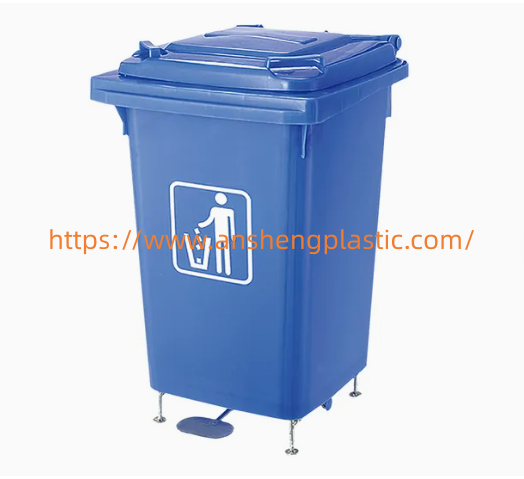
When businesses develop private-label or customized waste containers, working with an OEM Plastic Trash Bin Factory can connect product ideas with material selection, mold development, manufacturing, and final presentation. A successful trash bin is not simply a hollow plastic container. Its structure, lid, opening method, handling features, surface finish, and visual identity all contribute to how the product is perceived and used in everyday environments.
Material selection is an important starting point because plastic needs to support both the structural requirements and the intended user experience. Polypropylene and other commonly used plastics can provide a balance of rigidity, impact resistance, processability, and ease of maintenance. The appropriate material depends on the product structure and application rather than simply choosing the material with the strongest general reputation. An OEM manufacturer can help connect resin selection with the intended design and manufacturing process.
The material should also work well with the product's visual requirements. A trash bin may need a smooth surface for easy cleaning, a subtle texture for a particular appearance, or a finish that complements a private-label product line. Color is another consideration because waste containers are often visible in kitchens, bathrooms, offices, hotels, and other interior spaces. Taizhou Ansheng Plastic Co., Ltd. states that its plastic trash cans support customization involving colors, graphics, logos, and packaging.
Purchasing decisions should begin with the intended application. A bathroom bin may prioritize compact placement and easy cleaning, while a kitchen product may benefit from convenient opening and a lid structure that helps contain odors. Office and commercial environments may place greater emphasis on appearance, simple maintenance, and consistent branding. Outdoor applications can introduce additional environmental considerations. Defining the use scenario first gives buyers a clearer basis for evaluating different product structures.
Product structure is another major consideration. The relationship between the body, lid, inner container, handle, pedal, and other components determines how the bin works during everyday use. A well-planned structure can make waste disposal more convenient while also simplifying cleaning and bag replacement. Ansheng's current product range includes pedal-operated designs, pressing-type bathroom bins, round bins with lids and inner buckets, and double-opening configurations.
For OEM projects, mold development is closely connected with product design. A customized shape needs to be translated into a mold that can reproduce the intended details consistently. Engineers need to consider wall transitions, corners, openings, joining areas, lid interfaces, and other structural features during development. A design that looks attractive on a screen still needs to be practical for injection molding, assembly, demolding, and quality inspection.
Injection molding technology further influences the finished product. Consistent processing can help maintain the relationship between different components and preserve the intended surface appearance. Mold design, material flow, cooling, and production control all contribute to the final result. When a manufacturer handles design development and production within a connected process, communication between product concepts and manufacturing requirements can become more efficient.
Quality management is particularly relevant for OEM buyers because customized products need to maintain consistency across production. Ansheng states that its quality management system covers the production process and that finished products undergo inspection before delivery. The company also describes an integrated manufacturing chain covering mold development, raw material procurement, production, assembly, and packaging. This type of integrated workflow can be useful when buyers need coordinated control over several stages of product development.
User experience should remain central to the design. A trash bin is handled repeatedly, so small details can influence whether the product feels convenient. Pedal mechanisms can reduce the need to touch a lid directly, while handles can simplify movement or disposal. Inner buckets may make waste removal and cleaning easier. Lid movement should also feel natural, without making ordinary disposal unnecessarily complicated.
Cleaning is another practical part of product experience. Waste containers can come into contact with food residue, moisture, dust, and other materials. Smooth, accessible surfaces can make routine cleaning easier. Components that can be separated or accessed without complicated procedures may also reduce maintenance effort. For OEM buyers, these details can become meaningful points of differentiation when developing a product for a particular market.
Brand presentation is increasingly connected with product design. A plastic trash bin can become part of a broader household, hospitality, office, or property-management product line. Logo placement, color coordination, packaging graphics, and the shape of the product can help maintain visual consistency across related items. An OEM/ODM production process gives buyers more opportunities to connect the physical product with their intended brand identity.
Design and appearance should also reflect the space where the bin will be placed. A simple rectangular form may work naturally in modern interiors, while a rounded body can create a softer visual impression. Slim structures may suit narrow areas, whereas wider forms may be appropriate for more open spaces. The relationship between the lid, body, opening, and base can influence both appearance and practical handling.
For manufacturers and distributors, customization can also support different market preferences without completely redesigning the manufacturing process for every project. Ansheng describes its OEM/ODM service as covering product design, sample development, and trial production, allowing buyers to communicate specific requirements during development. This can be useful for businesses developing private-label products or adapting existing concepts for different sales channels.
Taizhou Ansheng Plastic Co., Ltd. focuses on the research, development, and manufacturing of plastic products, with its current product range including household plastic trash cans and related waste-management products. Its manufacturing process connects mold development, injection molding, assembly, packaging, and customization services, giving buyers a practical framework for discussing both product design and production requirements.
For buyers developing a customized waste container, it is useful to evaluate the material, mold structure, manufacturing process, functional components, cleaning experience, branding options, packaging, and visual design together. This approach allows the product concept to remain connected with its actual application while giving the manufacturer clearer guidance during development and production. More information about Taizhou Ansheng Plastic Co., Ltd. and its plastic trash bin products is available at https://www.anshengplastic.com/
 Dutch
Dutch
 English
 Arabic
 French
 Spanish
 Portuguese
 Deutsch
 Turkish
 Italiano
 Russian
 Romaian
 Portuguese (Brazil)
 Greek
Greek