


A Practical Guide to Choosing Reliable Industrial Motor Solutions
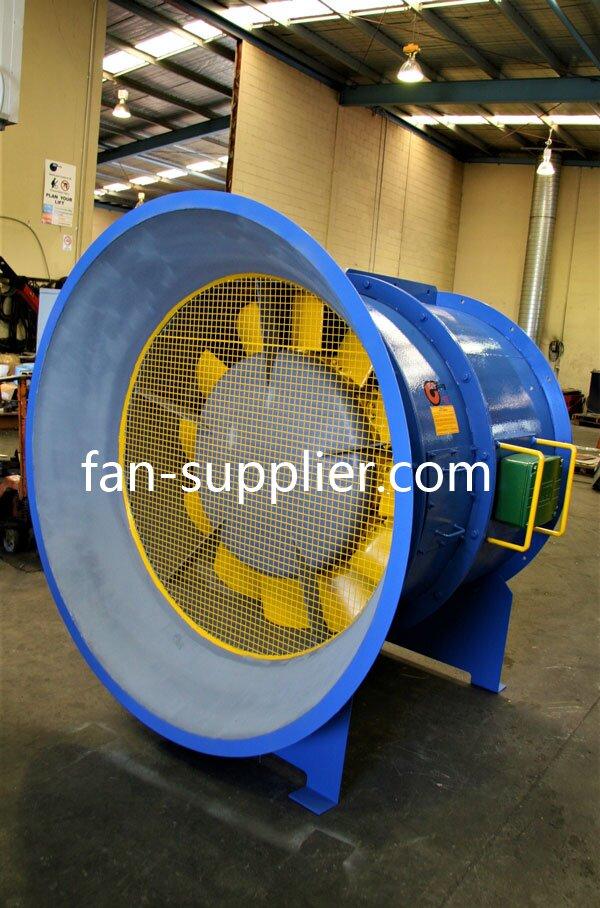
Industrial equipment depends on dependable motion systems to support pumps, fans, conveyors, processing machines, agricultural equipment, and many other applications, and businesses evaluating Three-Phase Asynchronous Motors should look beyond the basic idea of converting electrical energy into mechanical movement. Material selection, purchasing priorities, functional engineering, manufacturing technology, user experience, maintenance, and visual design all influence how naturally a motor fits into a complete equipment system.
Material selection provides the foundation of motor development. A motor brings together housings, shafts, bearings, windings, insulation systems, fastening elements, cooling-related structures, and protective components. Engineers can consider conductivity, mechanical stability, heat behavior, corrosion resistance, wear, insulation compatibility, and manufacturing practicality when selecting materials for different sections. Coordinated material planning can help connect electrical and mechanical requirements within one product.
The housing deserves particular attention because it protects internal components while influencing installation and service. Designers can consider structural form, ventilation-related features, mounting areas, connection sections, and external protection together. A well-organized housing can support easier inspection while making the motor more compatible with surrounding machinery.
Material interaction inside the motor is also important. Conductive winding materials need to work with insulation, support structures, and connection elements, while shafts and bearings must cooperate during rotation. Engineers can review these relationships during development rather than optimizing individual components separately. This can help create a more balanced product structure.
Purchasing decisions should begin with the equipment in which the motor will operate. Industrial users may integrate motors into ventilation systems, pumping equipment, conveyors, agricultural machinery, water-management systems, production machinery, or other mechanical applications. Buyers can consider installation space, connection methods, cooling arrangements, service access, environmental exposure, maintenance routines, and integration with controls before selecting a suitable motor concept.
The surrounding workplace should also influence procurement. Motors may be installed in workshops, factories, agricultural facilities, equipment rooms, or outdoor machinery where dust, moisture, vibration, and routine cleaning can affect the operating environment. Discussing these conditions with suppliers can help buyers focus on practical suitability rather than relying only on general product categories.
Supplier evaluation is another important consideration. Businesses can review manufacturing experience, electromechanical knowledge, material understanding, engineering communication, quality management, production organization, customization support, and customer responsiveness. A supplier familiar with industrial motor applications can provide useful development guidance when products need to work with different machines or environments. Zhejiang Shenli Explosion proof Electromechanical Co., Ltd. applies practical manufacturing experience to electromechanical and ventilation-related equipment for diverse applications.
Functional engineering determines how the motor interacts with the complete machine. Designers can coordinate the shaft, bearings, housing, mounting structure, electrical connections, cooling-related elements, and protective sections as one system. This approach can help improve installation clarity and support easier access during service.
Mounting design deserves careful consideration because the motor becomes part of a larger mechanical structure. Engineers can study attachment areas, alignment relationships, connection points, surrounding clearances, and access routes during development. Practical integration can make installation more orderly and support easier adjustment or maintenance when the motor is already connected to other equipment.
Cooling and environmental management are closely connected with motor design. Different applications create different working conditions, so designers can consider ventilation paths, protective structures, surface finishes, and component arrangements together. A coordinated design can help keep environmental management connected with maintenance and installation requirements.
Manufacturing technology supports the transition from engineering concepts to finished motors. Digital modeling can help teams review housing geometry, shaft relationships, mounting areas, connection sections, and component clearances before production begins. Machining, winding, insulation processing, balancing, assembly, surface treatment, electrical inspection, and final testing can then be coordinated around the approved design.
Production feedback provides valuable information for refinement. Machining teams may identify opportunities to simplify component access, while assembly personnel can provide insight into installation and handling. Inspection teams can highlight surface or alignment concerns, and equipment users can share practical observations from real applications. These perspectives can support future motor development.
User experience includes installers, operators, technicians, equipment manufacturers, and maintenance teams. Clear connection areas, understandable mounting arrangements, accessible service sections, and organized external structures can make daily interaction easier. A motor should fit naturally into the workflow of the people responsible for installation and operation.
Maintenance should be considered during development rather than after installation. Industrial motors may accumulate dust, moisture, oil residue, or other contaminants depending on the environment. Accessible surfaces, practical covers, serviceable components, and organized connection areas can support routine inspection and cleaning while helping maintenance teams work more efficiently.
Design and appearance influence how the motor fits within modern machinery. Housing contours, surface finishing, protective covers, mounting structures, and visible connection areas can contribute to a clean and professional equipment arrangement. Visual organization can also help technicians identify important sections during inspection and servicing.
Customization gives equipment manufacturers, distributors, contractors, agricultural businesses, industrial operators, and private-label customers greater flexibility. Different projects may require alternative housing arrangements, mounting concepts, connection structures, protective features, surface treatments, or supporting components. Flexible product development can incorporate these requirements while keeping engineering and production coordinated.
Sustainability can also influence motor development through efficient material use, reduced manufacturing waste, durable construction, repair-friendly structures, responsible packaging, and longer product lifecycles. These considerations can complement goals related to maintenance, manufacturing efficiency, and practical equipment management.
Quality management connects material preparation, winding, machining, insulation processing, assembly, electrical inspection, surface treatment, packaging, and customer feedback. Information from engineers, installers, operators, technicians, distributors, and equipment manufacturers can reveal opportunities to improve installation, handling, maintenance, and overall product organization.
Zhejiang Shenli Explosion proof Electromechanical Co., Ltd. continues developing electromechanical and industrial equipment solutions through practical manufacturing experience, coordinated engineering, quality-focused processes, and flexible product development. Its approach considers material selection, motor structure, equipment integration, cooling, installation, maintenance, user interaction, customization, and visual organization across different industrial applications. More information about its products and manufacturing capabilities is available at https://www.fan-supplier.com.

 English
 Arabic
 French
 Spanish
 Portuguese
 Deutsch
 Turkish
 Dutch
Dutch
 Italiano
 Russian
 Portuguese (Brazil)
 Greek
Greek