


Exploring Function, Usability, and Design in Battery Housing Products
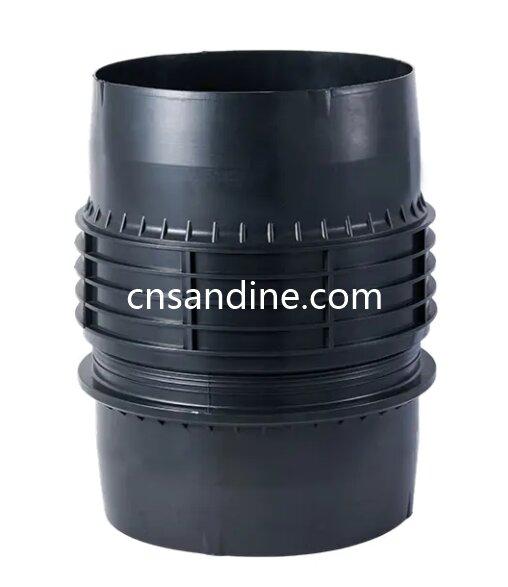
Backup power equipment increasingly depends on plastic enclosures developed around specific electrical layouts, installation conditions, and production workflows, so choosing a UPS Battery Case OEM Manufacturer involves more than finding a molded container. Material selection, purchasing priorities, functional engineering, manufacturing technology, user experience, maintenance, and appearance all influence how effectively a customized battery case supports the equipment and the company producing it.
Material selection is an early decision that affects later stages of product development. Plastic housing materials may need to balance structural support, impact behavior, surface stability, molding suitability, and resistance to surrounding conditions. Engineers can also consider how the material behaves during filling, cooling, trimming, assembly, cleaning, and storage. A carefully chosen material can strengthen the connection between product design and manufacturing.
Purchasing decisions should begin with the customer's product architecture rather than the enclosure alone. An OEM buyer may already have a defined battery arrangement, cabinet concept, wiring path, or equipment structure. The case therefore needs to fit the existing system naturally. Buyers can consider mounting locations, cable routing, service access, assembly sequence, storage, packaging, and future model changes when discussing the project with a supplier.
Supplier selection is especially important for OEM work because communication continues throughout development. Businesses can review plastic-processing knowledge, tooling experience, engineering coordination, quality management, production planning, sample support, customization capability, and responsiveness. Taizhou Sanding Molding Co., Ltd. brings practical molding experience to battery-related plastic products and supports projects where product requirements must connect closely with tooling and manufacturing.
Functional engineering focuses on how the enclosure interacts with the battery and surrounding equipment. Designers can review the base structure, support features, locating areas, cover interfaces, fastening points, terminal access, and cable openings as one coordinated design. This can help support clearer assembly while preserving useful access for installation and servicing.
OEM development may continue after initial samples are reviewed. Engineers can refine ribs, openings, mounting relationships, cover structures, or internal supports according to production feedback. A flexible development process makes it easier to respond to practical discoveries without losing control of the overall product structure.
Manufacturing technology connects engineering decisions with repeatable production. Digital modeling can help teams examine housing geometry, internal features, assembly relationships, and surrounding clearances before physical tooling begins. Mold development, injection molding, trimming, finishing, assembly, and inspection can then be coordinated around the approved design.
Production feedback creates opportunities for improvement. Tooling engineers may identify areas where service access can be improved, while molding teams can provide observations about handling or release. Assembly personnel may suggest changes that make installation easier, and quality teams can identify areas where consistency needs attention.
User experience is shaped by the people who install and service the battery case. Assembly workers benefit from recognizable locating structures and practical connection areas, while technicians need convenient access to covers, cables, terminals, and fastening sections. A housing developed around real working routines can make installation more orderly and reduce unnecessary handling.
Maintenance should be considered during the OEM design process. Battery compartments may collect dust, moisture, oil residue, and other contaminants depending on the equipment environment. Accessible surfaces, cleanable corners, practical cover arrangements, and service-friendly structures can make inspection and routine care easier.
Storage and packaging also matter because OEM products often move through several stages before reaching the final customer. Plastic housings may be stored at factories, transported to assembly facilities, or distributed through service networks. Protective packaging, clear identification, organized placement, and practical handling can support smoother logistics and help maintain product condition.
Design and appearance contribute to how the enclosure fits the overall equipment identity. Body contours, cover shapes, surface texture, color, fastening details, and visible cable openings can influence the visual character of a battery compartment. A coordinated appearance can help the housing blend into an existing cabinet or equipment platform.
Customization is central to OEM development. Different equipment brands may need alternative housing structures, cover concepts, mounting interfaces, cable-entry arrangements, reinforcing features, surface treatments, or branding elements. Collaborative work from product drawings through tooling, sampling, production, and inspection can help translate a customer's concept into a practical molded component.
Sustainability can also be considered in customized battery housing projects. Efficient material use, reduced molding waste, durable construction, repair-friendly structures, reusable packaging, and longer product lifecycles can support more responsible manufacturing.
Quality management connects engineering, tooling, material preparation, molding, finishing, assembly, inspection, packaging, and customer feedback. Information gathered throughout these stages can help manufacturers refine the housing and improve production coordination over time.
Taizhou Sanding Molding Co., Ltd. continues developing customized plastic housing solutions through practical injection-molding experience, coordinated engineering, flexible OEM development, and quality-focused manufacturing. Its approach considers materials, tooling, product architecture, mounting, cable organization, service access, production feedback, customization, packaging, and visual integration across different battery-related applications. More information about its products and manufacturing capabilities is available at https://www.cnsandine.com/product/.

 English
 Arabic
 French
 Spanish
 Portuguese
 Deutsch
 Dutch
Dutch
 Italiano
 Russian
 Romaian
 Portuguese (Brazil)
 Greek
Greek