


POS Software for Smarter Sales and Business Management
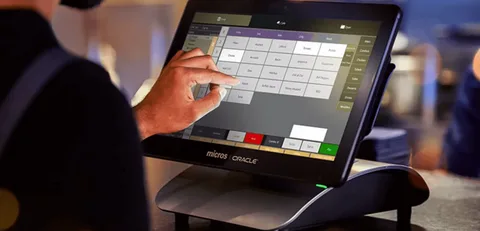
POS Software: A Complete Guide for Modern Business Management
Businesses today need efficient tools to manage sales, payments, inventory, and customer relationships. Traditional methods of recording transactions can become time-consuming and difficult to manage as a business grows. POS software provides a modern solution by helping businesses handle daily operations through one organized platform.
From retail stores and restaurants to supermarkets and service companies, POS technology allows businesses to process transactions faster, reduce manual errors, and gain better control over their operations. It is no longer limited to accepting payments; modern systems provide detailed insights that help owners make smarter decisions.
Choosing the right POS solution can improve productivity, enhance customer service, and support long-term business growth.
What Is POS Software?
POS software is a digital application designed to manage sales transactions and other business activities. It works with hardware devices such as computers, tablets, barcode scanners, receipt printers, and payment terminals.
A basic system records purchases and generates receipts, while advanced solutions offer additional features such as:
-
Inventory management
-
Customer relationship management
-
Employee management
-
Sales reporting
-
Discount management
-
Payment processing
-
Business analytics
The main purpose of POS software is to create a connected system where businesses can manage important operations more efficiently.
How Does POS Software Work?
POS software simplifies the sales process from start to finish. When a customer purchases a product or service, an employee enters the information manually or scans the product barcode.
The software automatically calculates the total price, applies discounts or taxes, and processes the selected payment method. After completing the transaction, the information is stored in the system.
If inventory tracking is enabled, the software updates stock levels automatically. This helps businesses maintain accurate product records without manually updating every sale.
Why Businesses Need POS Software
As businesses grow, managing transactions manually becomes more challenging. Paper records and spreadsheets may create problems such as incorrect calculations, missing information, and difficulty tracking performance.
A reliable POS system helps businesses by providing:
Faster Transaction Processing
Customers expect quick and smooth checkout experiences. POS software allows employees to process orders, accept payments, and generate receipts efficiently.
A faster checkout process can reduce customer waiting times and improve overall satisfaction.
Improved Accuracy
Manual calculations can lead to pricing mistakes and incorrect records. POS software automatically calculates totals and stores transaction details, reducing human errors.
Accurate records also make reporting and business analysis easier.
Better Business Organization
A POS system brings different business functions together. Instead of using separate tools for sales, inventory, and reporting, businesses can manage everything from one platform.
This improves workflow and saves valuable time.
Key Features of POS Software
Different businesses require different features, but several tools are commonly important.
Sales and Payment Management
The primary function of POS software is managing sales transactions. Employees can create orders, apply discounts, process payments, and issue receipts through a simple interface.
Many modern systems support multiple payment methods, including card payments and digital transactions.
Inventory Management
Inventory management is one of the most valuable features of POS software, especially for businesses selling physical products.
The system can track stock levels and provide information about product movement.
Businesses can monitor:
-
Available inventory
-
Low-stock products
-
Fast-selling items
-
Slow-moving products
-
Sales history
This information helps businesses make better purchasing decisions and avoid inventory problems.
Customer Management
Many POS solutions include customer management features that allow businesses to store customer details and purchase history.
This information can help companies understand customer behaviour and improve service quality.
Loyalty Programs
Some POS platforms provide loyalty program options where customers can earn rewards or points.
These programs can encourage repeat purchases and help businesses create stronger customer relationships.
Employee Management
Managing employee access is important for businesses with multiple staff members.
POS software allows businesses to create different user accounts with specific permissions. For example, sales employees may process transactions, while managers can access reports, refunds, and pricing controls.
This improves accountability and helps protect important business information.
Businesses can improve daily operations with reliable POS software Pakistan solutions that help manage sales, inventory, payments, and reporting efficiently.
POS Software for Different Industries
POS systems can be customized for different business types.
Retail Businesses
Retail stores use POS software for barcode scanning, product management, pricing, inventory control, and sales reporting.
The system helps retailers understand which products are performing well and manage stock more effectively.
Restaurants and Cafés
Restaurants require features such as menu management, table orders, kitchen communication, and bill splitting.
POS software helps staff enter orders quickly and send information to the kitchen, reducing mistakes and improving service efficiency.
Service-Based Businesses
Service businesses such as salons, repair companies, and appointment-based providers can use POS software for customer records, payments, invoices, and scheduling.
These tools help organize customer interactions and improve daily workflow.
Cloud-Based POS Software
Cloud-based POS software stores business information online, allowing authorized users to access data from different locations.
This type of system is useful for businesses with multiple branches or owners who need remote access.
Benefits of cloud-based POS solutions include:
-
Remote access
-
Automatic updates
-
Centralized data management
-
Easier multi-location control
-
Flexible operations
Before selecting a cloud POS system, businesses should review security, backups, data protection, and provider support.
Reports and Business Analytics
One of the biggest advantages of POS software is access to detailed reports. These reports help businesses understand sales performance and customer activity.
Common reports include:
-
Daily sales
-
Monthly revenue
-
Product performance
-
Employee activity
-
Payment methods
-
Customer trends
Business owners can use this information to make informed decisions about pricing, inventory, staffing, and marketing strategies.
How to Choose the Right POS Software
Choosing the correct POS solution requires understanding business requirements. The best system is not always the one with the most features but the one that fits the workflow.
Important factors to consider include:
-
Business size and industry
-
Number of employees
-
Inventory requirements
-
Payment options
-
Reporting needs
-
Security features
-
Integration options
-
Customer support
-
Total cost
Businesses should also test the software before implementation to ensure it meets daily operational needs.
Frequently Asked Questions
What Is POS Software Used For?
POS software is used to manage sales transactions, payments, inventory, customers, employees, and business reports.
Can POS Software Manage Inventory?
Yes. Most modern POS systems include inventory features that automatically update stock after sales.
Is POS Software Suitable for Small Businesses?
Yes. Small businesses can use POS software to simplify transactions, manage products, and improve daily operations.
Can POS Software Support Multiple Locations?
Many advanced POS solutions support multiple locations and provide centralized reporting.
Does POS Software Improve Customer Experience?
Yes. Faster checkout, accurate orders, and better customer management can improve the overall buying experience.
Key Takeaways
POS software has become an essential tool for modern businesses. It helps connect sales, payments, inventory, employees, customers, and reporting in one organized system.
Whether used by a retail store, restaurant, or service provider, POS technology can improve efficiency and provide valuable business insights.
The right solution should be secure, easy to use, scalable, and aligned with business goals.
Final Thoughts
A reliable POS system can transform the way businesses manage daily operations. By reducing manual tasks, improving accuracy, and providing useful reports, it helps owners make better decisions and deliver improved customer experiences.However, selecting the right software requires careful planning. Businesses should consider their current needs, future growth plans, security requirements, and employee workflow before making a decision.
Explore trusted business technology resources for useful insights, practical solutions, and modern management guidance.
 Portuguese
 English
 Arabic
 French
 Spanish
 Deutsch
 Turkish
 Dutch
Dutch
 Italiano
 Russian
 Romaian
 Portuguese (Brazil)
 Greek
Greek