

How Liposuction Treatment Is Personalized for Individual Body Goals
Every individual has different body proportions, fat distribution patterns, and aesthetic preferences. While some people want to refine their waistline, others may focus on reducing stubborn fat around the abdomen, thighs, arms, or back. Achieving natural-looking body contours requires an approach that considers these individual differences rather than following a standard treatment plan. Liposuction in Riyadh offers a surgical body-contouring option for individuals seeking to address localized fat deposits and improve selected areas. Understanding how treatment is customized can help patients recognize the importance of personalized planning and realistic expectations.
Body-contouring goals vary depending on natural anatomy, lifestyle, skin elasticity, and the areas where excess fat accumulates. A treatment approach that works for one person may not be suitable for another. Liposuction in Riyadh can be tailored according to individual concerns, allowing surgeons to select appropriate treatment areas and techniques. From the initial consultation to recovery planning, each stage is designed around the patient's medical suitability and desired improvements. This individualized approach helps prioritize balanced proportions rather than excessive changes.
Understanding Individual Body Goals
Before considering liposuction, it is important to identify which body areas a person wants to refine. Some individuals may want a more defined waist, while others may prefer smoother abdominal contours or improved arm definition. Understanding these goals helps the surgeon determine whether liposuction is appropriate and which areas may benefit from treatment.
Identifying Specific Fat Deposits
Localized fat deposits can develop in different regions, including the abdomen, flanks, hips, thighs, upper arms, back, and chin. Their distribution is influenced by genetics, hormones, age, and body composition. During an assessment, the surgeon examines these areas to identify suitable treatment locations and understand how they relate to surrounding body contours.
Setting Realistic Aesthetic Expectations
Liposuction is intended to remove targeted fat deposits rather than produce significant weight loss. Patients should understand what the procedure can and cannot achieve. Realistic goals help establish a treatment plan that complements natural anatomy and avoids expectations of a completely different body structure.
How Surgeons Personalize Liposuction Treatment
Personalized treatment planning involves evaluating several physical and medical factors before selecting a surgical approach. The objective is to create an individualized plan that addresses the patient's concerns while prioritizing safety.
Evaluating Body Shape and Fat Distribution
The surgeon examines the patient's natural body structure and identifies areas where localized fat affects overall proportions. For example, someone concerned about abdominal fullness may require a different approach from someone seeking to refine the thighs or upper arms. Evaluating surrounding areas also helps maintain balanced results.
Assessing Skin Elasticity
Skin elasticity plays an important role in how the body responds after fat removal. Skin with good elasticity may contract more effectively around the treated area, while loose or less elastic skin may remain noticeable. Patients with significant skin laxity may require alternative or additional procedures to address their concerns.
Reviewing Medical History and Health
A complete medical evaluation is essential before surgery. The surgeon reviews previous operations, existing health conditions, medications, allergies, and other factors that may influence surgical safety. This information helps determine whether the patient is suitable for treatment and whether additional assessments are necessary.
Selecting the Right Treatment Areas
One of the most important parts of personalized liposuction is selecting the appropriate body regions. The treatment plan should reflect the patient's goals and natural anatomy rather than simply focusing on the amount of fat that can be removed.
Abdominal and Waist Contouring
Individuals with localized fat around the abdomen and flanks may benefit from targeted treatment to improve midsection contours. Carefully planned fat removal can help create a smoother abdominal appearance and more defined waistline. However, liposuction does not repair separated abdominal muscles or remove significant excess skin.
Arm and Upper-Body Refinement
Some patients experience stubborn fat around the upper arms, back, and surrounding areas. Treatment may help improve definition and create smoother outlines. Skin quality is particularly important when assessing whether fat removal alone is likely to achieve the desired appearance.
Thigh and Hip Contouring
The thighs and hips contribute significantly to lower-body proportions. Localized fat deposits in these areas may affect the appearance of the legs and hip region. A customized approach helps identify suitable treatment locations while maintaining natural transitions between different body areas.
Choosing an Appropriate Liposuction Technique
Different surgical techniques may be considered depending on the patient's body characteristics and treatment objectives. Traditional suction-assisted liposuction uses a cannula to remove fat, while other approaches may use ultrasound, laser energy, or powered instruments to assist fat removal. Each technique has specific indications and limitations.
The surgeon selects an appropriate method after evaluating the treatment areas, medical history, and desired outcomes. Patients should discuss the potential benefits, limitations, and risks of each recommended technique before making a decision.
What to Expect During the Personalized Procedure
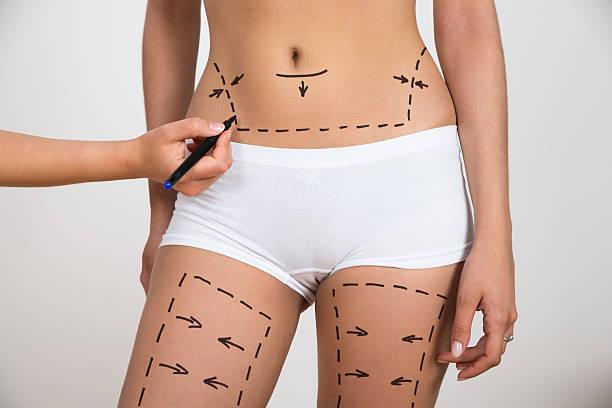
Once the treatment plan is finalized, the surgeon marks the selected areas and determines the appropriate anesthesia. Depending on the procedure's extent, local anesthesia with sedation or general anesthesia may be used. Small incisions are created, allowing a cannula to remove targeted fat through controlled movements. The incisions are then managed according to the surgical technique.
The duration of treatment depends on the number of areas involved and the complexity of the procedure. Careful fat removal helps the surgeon work toward the planned contours while respecting individual anatomy.
Recovery Based on Individual Treatment Needs
Recovery experiences vary depending on the treatment areas, surgical technique, and individual healing response. Swelling, bruising, tenderness, and temporary discomfort are common after surgery. Compression garments may be recommended to support treated areas and manage swelling.
Following Personalized Aftercare Instructions
Patients receive guidance regarding wound care, physical activity, compression garments, and follow-up visits. Following these instructions is important for proper healing and reducing the risk of complications. Strenuous activities should be resumed only when approved by the surgeon.
Maintaining Long-Term Results
A stable body weight helps preserve the improved contours. Balanced nutrition, regular physical activity, and healthy lifestyle habits support long-term results. Although removed fat cells are permanently eliminated, remaining fat cells can enlarge with significant weight gain.
Why Personalized Treatment Planning Makes a Difference
A customized approach recognizes that every individual has different body proportions, skin characteristics, and aesthetic priorities. Careful assessment helps surgeons select appropriate treatment areas, establish realistic expectations, and avoid excessive fat removal. Patients should also understand potential surgical complications, including infection, bleeding, fluid accumulation, contour irregularities, and anesthesia-related risks.
Book Your Consultation at Royal Clinic Saudi
If you are considering body contouring to address specific fat deposits, a professional consultation can help identify suitable treatment options. Royal Clinic Saudi provides an opportunity to discuss your aesthetic goals and receive an individualized assessment. Schedule an appointment to explore whether liposuction is appropriate for your body and expectations.
Frequently Asked Questions
1. Is liposuction customized for every patient?
Yes, treatment planning considers individual anatomy, fat distribution, and goals.
2. Which areas can be treated with liposuction?
Common areas include the abdomen, waist, thighs, arms, back, and chin.
3. Does skin elasticity affect liposuction results?
Yes, skin elasticity influences how smoothly the treated area settles.
4. Can liposuction achieve weight-loss goals?
No, it is intended for localized fat removal and body contouring.

 Arabic
 French
 Spanish
 Portuguese
 Deutsch
 Turkish
 Dutch
 Italiano
 Russian
 Romaian
 Portuguese (Brazil)
 Greek